Best Testosterone Booster 2026: Top Picks Ranked
What is the best testosterone booster in 2026?
The best testosterone booster in 2026 is not one product but a short list judged on three things: ingredient quality, transparent dosing, and value. Tongkat ali and fenugreek carry the strongest human evidence; Vigorus, a once-daily capsule with every ingredient named and a 60-day guarantee, is one product worth comparing against that standard, though its blend amounts are not printed.
- Tongkat ali has the strongest human evidence — five-plus randomized controlled trials — followed by fenugreek and ashwagandha.
- Skip underdosed proprietary blends where you cannot see the per-ingredient amounts against the studies.
- Natural boosters run about $240–960 a year versus roughly $1,800–4,800 for medically supervised TRT.
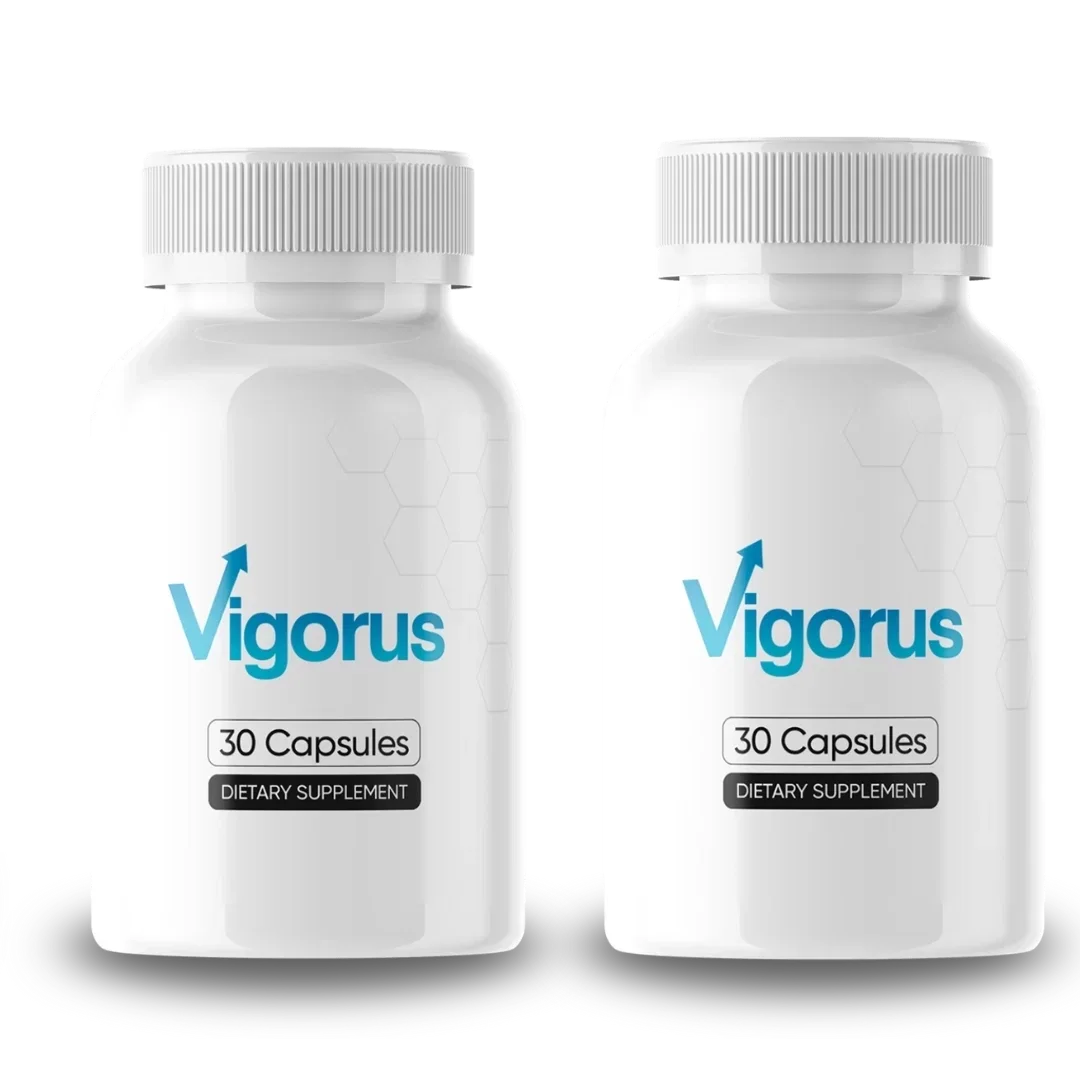
Type "best testosterone booster" into any search bar and you get a wall of listicles that all rank the same twelve products in a slightly different order, usually the order that pays the highest commission. This is not that. We are going to rank by the three things that actually decide whether a booster does anything — ingredient quality, dose transparency and value — then show you where a real product, Vigorus, lands against that standard and where the famous single ingredients fit.
One promise before we start: nothing here diagnoses, treats or cures anything. A testosterone booster is a dietary supplement. At its best it supports the body's own normal hormone production and the downstream feelings men actually care about — drive, workout energy, recovery, libido — over weeks. Anyone selling faster or bigger than that is selling a story.
How we ranked the best testosterone boosters
Three criteria, weighted in this order. Ingredient evidence comes first: does the formula use botanicals and minerals with published human trials, not just test-tube hints? Dose transparency comes second: can you see how much of each ingredient you are getting, or is it buried in a proprietary blend? And value comes third: what does a full effective supply actually cost per year, and is there a guarantee that lets you test it without gambling? A product can win on one and lose the ranking on another — a beautifully dosed formula at a punishing price is not the best pick for most men, and a cheap formula you cannot verify is not either.
What the best testosterone booster of 2026 actually needs
Before ranking products, rank the ingredients, because the ingredient list is where most of the outcome is decided. Here is the evidence tier as it stands in 2026.
Tongkat ali (Eurycoma longifolia) sits at the top. It has the strongest human evidence base of any single botanical in this space — five or more randomized controlled trials touching on testosterone, stress hormones and male vitality, typically at 200 to 400 mg of a standardized extract per day. If you only learn one ingredient name, learn this one.
Fenugreek is next. In one well-cited six-week trial, 600 mg of a standardized fenugreek extract raised free testosterone in resistance-trained men, and other studies point to libido support. Ashwagandha earns its place through a different mechanism: the KSM-66 extract at around 600 mg has shown testosterone increases in the region of 14–15% largely by lowering cortisol, the stress hormone that suppresses testosterone when it stays chronically high. Then come the foundational nutrients — zinc and vitamin D — which are less exciting but genuinely matter, mostly for men who are deficient. Zinc carries an authorised European claim for contributing to normal blood testosterone, and correcting a real vitamin D deficiency has raised testosterone by up to 30% in deficient men. Finally, L-citrulline and other circulation ingredients do not raise testosterone directly but support the blood-flow side of male performance, which is why so many formulas — Vigorus included — build around them.
For a deeper, dosage-by-dosage walk through these botanicals, our companion guide covers which natural testosterone booster ingredients actually work in 2026 and the amounts the research used.
The one thing that disqualifies most boosters
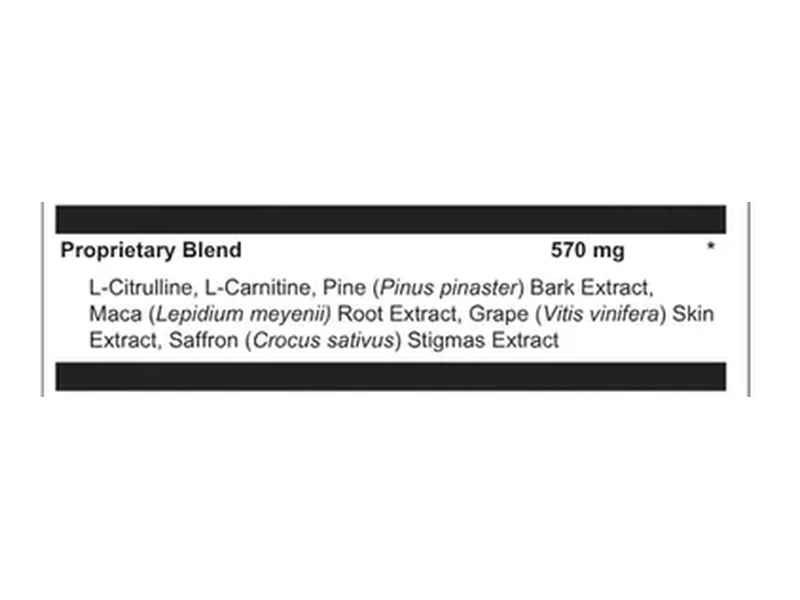
The single most common reason a product with a great-looking label does nothing is the underdosed proprietary blend. A large share of testosterone boosters use them: a formula lists eight or ten fashionable ingredients, then declares them as one combined weight so you cannot tell whether the tongkat ali inside is at its studied 200 mg or a sprinkle of 20 mg riding on the name. A blend is not automatically bad — the ingredients are still real and ordered by weight — but it caps how confidently anyone can rank it, because the dose is where the effect lives. When you compare two products, the more transparent one wins the tie every time.
The main options, grouped by approach
Rather than invent star ratings we did not collect, here are the main options grouped by the job they do; the order is not a ranking. Match the approach to the man you are.
1. The single daily capsule with a named blend, such as Vigorus
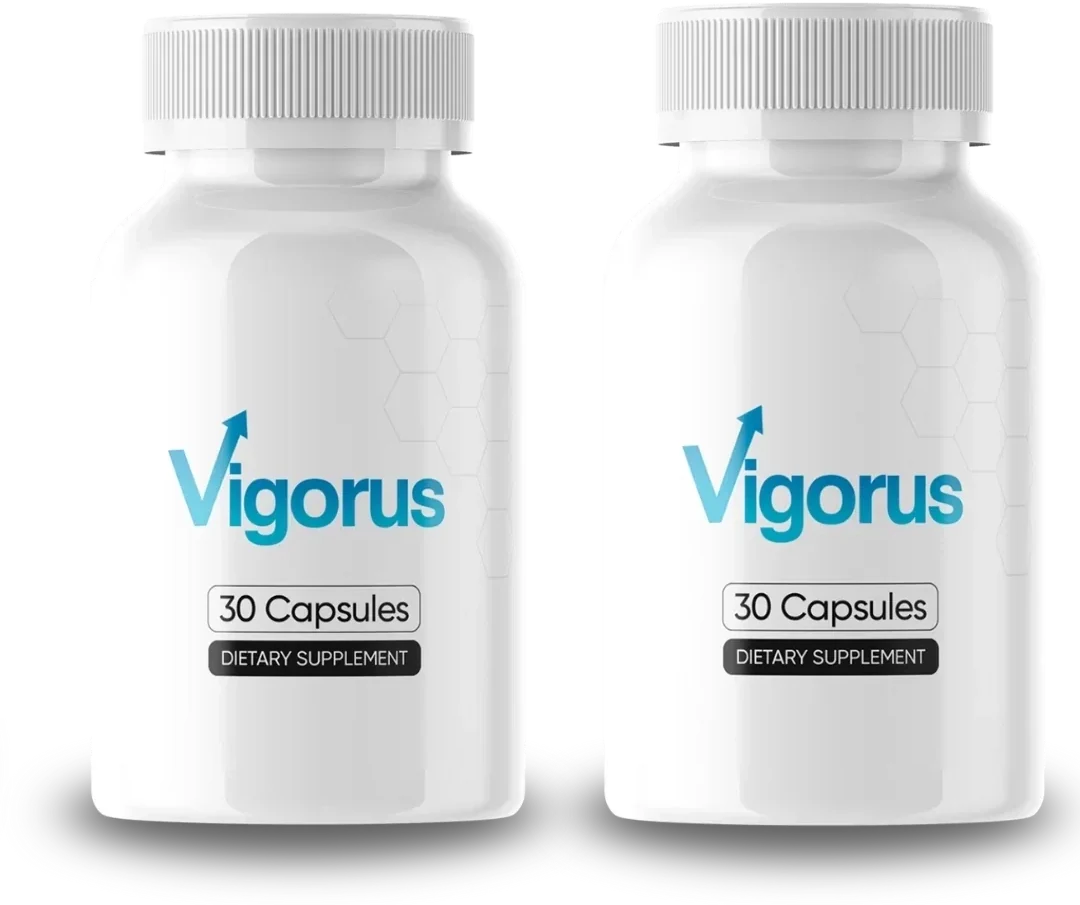
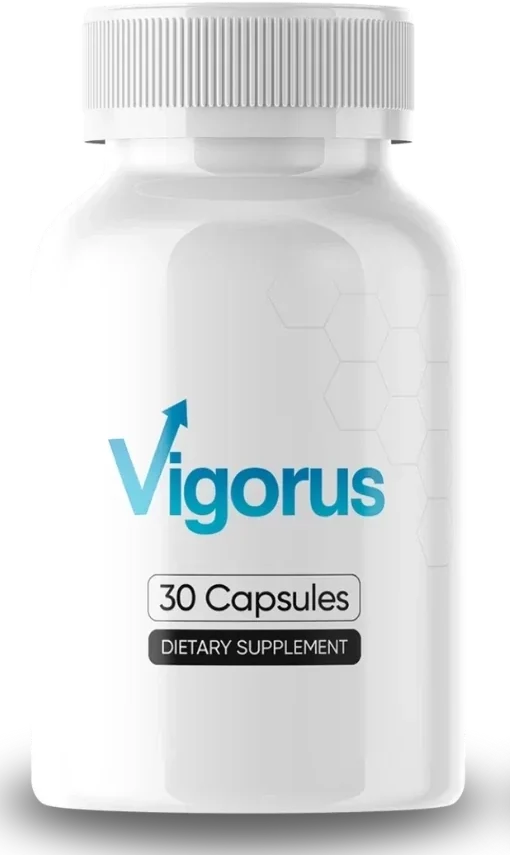
For the man who wants one daily capsule rather than a cabinet of single ingredients, a single capsule with a named blend is the simplest routine to keep, and Vigorus is the example this site knows best. It leads with L-citrulline for the nitric-oxide and circulation pathway, layers in maca, pine bark, grape skin and saffron, and discloses zinc (11 mg, a full daily value) and niacin (20 mg) at exact amounts. It is honest where most rivals are opaque — every ingredient is named — and it is sold with a 60-day money-back guarantee that turns a purchase into a low-risk trial. Its one real limitation is shared with the whole category: the six-ingredient core is a 570 mg proprietary blend, so the per-ingredient amounts are not published. We covered exactly that trade-off in our full Vigorus review. On the official store it costs $79 a bottle in the two-bottle pack, $69 in the three-bottle pack and $49 in the six-bottle pack, so weigh the price against the dose question rather than on its own.
2. The standardized tongkat ali extract
If you want to bet on the single ingredient with the most human trials, a standalone tongkat ali product standardized to its active compounds, dosed at 200–400 mg, is the evidence-first choice. The trade-off is that you are buying one lever, and you will likely want to add zinc, vitamin D and a circulation ingredient separately — more bottles, more cost, more to remember.
3. The KSM-66 ashwagandha product
Best for the man whose testosterone is being suppressed by stress and poor sleep rather than by age alone. A KSM-66 ashwagandha extract around 600 mg addresses the cortisol side of the equation, and the calmer sleep it supports is itself one of the biggest natural levers on testosterone. It is a targeted tool, not a complete formula.
4. The zinc-and-vitamin-D foundation
The cheapest genuinely useful option, and the one to start with if a blood test shows you are deficient. Correcting a real deficiency does more for a deficient man than any botanical, and it costs pennies a day. The catch: if you are already replete, topping up further does little, which is why this is a foundation rather than a finish.
Want one daily capsule with a readable label?
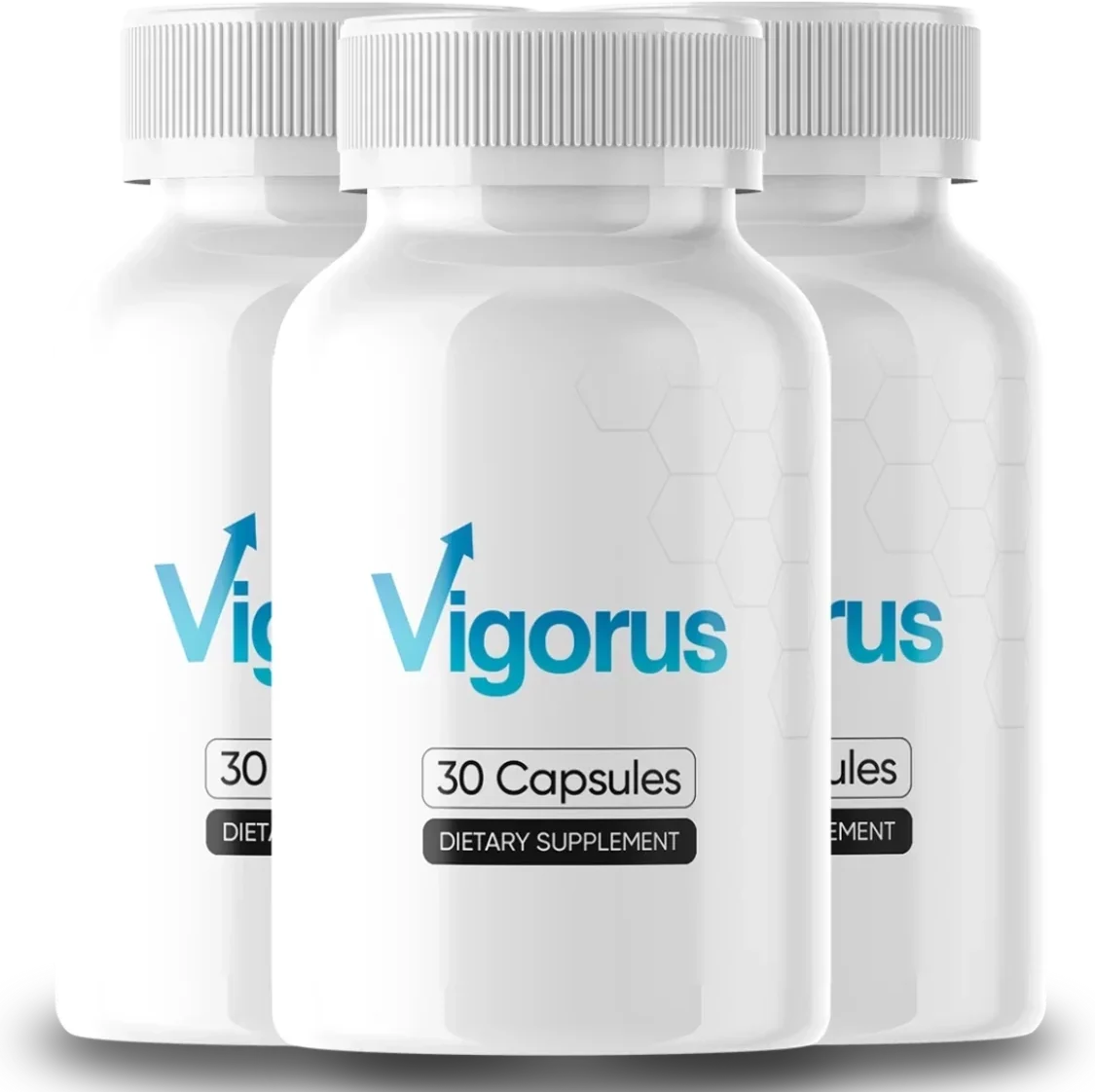
Vigorus puts a named six-ingredient blend and printed amounts of zinc and niacin in one daily capsule, with a 60-day money-back guarantee.
See Vigorus Pricing at the Official StoreWhat a good testosterone booster costs per year
Money is part of "best," so let us be concrete. A quality natural booster runs about $240 to $960 a year, and where you land inside that range depends heavily on whether you buy single bottles or the multi-bottle bundles that cut the per-bottle price — one reason boosters are almost always cheaper bought three or six at a time. Against that, medically supervised testosterone replacement therapy typically costs roughly $1,800 to $4,800 a year once you count the medication, the clinic visits and the regular bloodwork it requires. Those are different products for different situations — a supplement is not a replacement for TRT where a doctor has diagnosed clinically low testosterone — but for everyday support the cost gap is large, and we break down the full trade-off in our look at how natural boosters compare with TRT.
Are natural testosterone boosters safe?
For most healthy adults the well-studied ingredients here are well tolerated at label doses. The safety problems cluster in three predictable places, and all three are avoidable. First, megadosing — taking far more than studied amounts on the theory that more is better, which it is not. Second, low-quality products that hide stimulants or undeclared ingredients, which is why third-party testing is worth insisting on. Third, interactions with medication you already take. If you are on blood-pressure, blood-thinning, mood or other prescription drugs, or you manage a health condition, run any booster past your doctor first. None of this is a reason to fear the category; it is a reason to choose carefully within it.
How to pick your best testosterone booster
Reduce it to four questions. Are the ingredients studied in humans at real doses? Can you see how much of each you are getting, or at least see an honestly-ordered ingredient list? Can you afford the full supply for the 8 to 12 weeks support actually takes? And is there a guarantee that lets you test it without losing money if your own response falls short? A product that answers all four well is your best testosterone booster, regardless of where it sits on any commission-driven listicle. For a man who wants simplicity, a single named-ingredient capsule with a money-back guarantee, such as Vigorus, is one reasonable way to answer all four.
Lock in the lowest per-bottle price
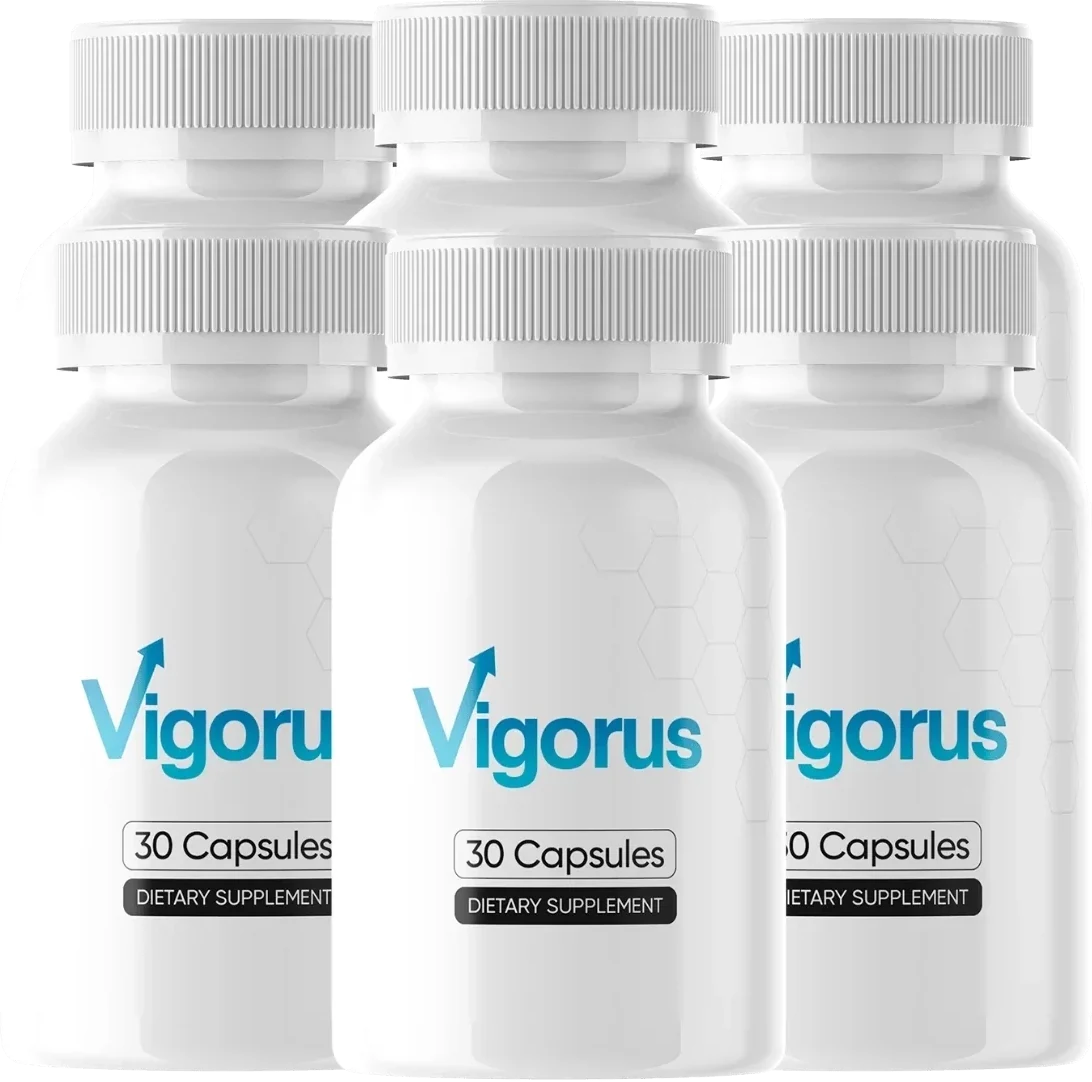
The multi-bottle supply covers a full support window at the best yearly cost, with a 60-day money-back guarantee behind it.
Order Vigorus From the Official StoreRelated reading
Best Testosterone Supplements for Men
The supplement categories worth your money and the ones to skip, ranked by evidence.
Natural Testosterone Booster: What Works in 2026
Evidence-backed botanicals versus marketing hype, with the doses the research used.
Vigorus Reviews 2026: Does It Actually Work?
An honest look at the 570 mg blend, the timeline, side effects and the price.
Testosterone Booster vs TRT
Cost, safety and expectations compared, so you can tell which one fits your situation.
Frequently asked questions
What is the best testosterone booster in 2026?
There is no single winner for every man — the best testosterone booster is the one whose ingredients are studied, whose doses you can verify, and whose price you can sustain for the two to three months support actually takes. On the evidence, tongkat ali and fenugreek lead the ingredient list; for men who want one daily capsule rather than a shelf of single ingredients, Vigorus, sold with a 60-day money-back guarantee, is one option to compare on its label.
What ingredients should the best testosterone booster contain?
Look for ingredients with human trials at real doses: tongkat ali, which has five or more randomized controlled trials behind it; fenugreek, where 600 mg raised free testosterone in a six-week trial; ashwagandha, which works largely by lowering cortisol; plus the foundational minerals zinc and vitamin D, which mainly help men who are deficient. Ingredients matter less than dose, so favour products that publish how much of each you are getting.
Are natural testosterone boosters safe?
For most healthy adults the well-studied botanicals and minerals are well tolerated at label doses. Safety concerns come from three places: megadosing beyond studied amounts, hidden stimulants or undeclared ingredients in low-quality products, and interactions with medication you already take. Choose third-party-tested products, stay within label servings, and if you take prescription drugs or manage a health condition, clear any supplement with your doctor first. A booster supports normal function; it is not a treatment.
How much does a good testosterone booster cost per year?
A quality natural booster runs roughly $240 to $960 a year depending on the brand and whether you buy in multi-bottle bundles, which usually cut the per-bottle price. For comparison, medically supervised testosterone replacement therapy typically costs about $1,800 to $4,800 a year once clinic visits, bloodwork and the medication itself are counted. A booster is not a substitute for TRT where TRT is medically indicated, but it is far cheaper as everyday support.
References
- NIH Office of Dietary Supplements — Zinc, Health Professional Fact Sheet
- NIH Office of Dietary Supplements — Vitamin D, Health Professional Fact Sheet
- EFSA — Scientific Opinion on the substantiation of health claims related to zinc
- NIH Office of Dietary Supplements — Dietary Supplements for Exercise and Athletic Performance
- FTC — Health Products Compliance Guidance