Natural Testosterone Booster: What Works in 2026
Do natural testosterone boosters actually raise testosterone?
A natural testosterone booster can raise testosterone, but mostly in men who start low or deficient, and mostly by modest amounts. The best-evidenced ingredients — tongkat ali, ashwagandha KSM-66 and vitamin D — work at specific doses over roughly 8 to 12 weeks. No botanical works for everyone, and none is a treatment for any disease.
- Tongkat ali: about 200–400 mg a day for libido, up to 600 mg for testosterone support.
- Ashwagandha KSM-66 at 600 mg raised testosterone around 14.7% by lowering cortisol.
- Vitamin D raised testosterone up to 30% — but chiefly in men who were genuinely deficient.
"Natural" is the most oversold word in men's health. Slap it on a label and a plant extract with two hopeful studies suddenly reads like a miracle. So let us do the unglamorous thing and separate the natural testosterone booster ingredients that have earned their reputation in human trials from the ones coasting on marketing — and then be honest about how much even the good ones can do.
The frame first, because it governs everything below: a natural testosterone booster is a dietary supplement, not a drug. Its job is to support your body's own normal hormone production and the everyday feelings tied to it — libido, drive, workout energy, recovery — not to diagnose, treat or cure anything. Kept in that lane, the good ingredients are genuinely useful. Pushed past it, every one of them disappoints.
What a natural testosterone booster can realistically do
The realistic ceiling depends almost entirely on where you start. If your testosterone is being dragged down by a fixable deficiency — low vitamin D, low zinc — or by chronic stress and poor sleep, the right natural testosterone booster can help nudge it back toward your own normal range, and the change can be meaningful. If you are a well-nourished man whose testosterone is already comfortably normal, expect much less; you cannot supplement your way above your body's healthy set-point, and no botanical will make a 30-year-old feel 18 again. The men who report the biggest wins are almost always the ones who had the most room to recover.
The ingredients with real human evidence
Tongkat ali (Eurycoma longifolia) is the strongest single name in the category, with five or more randomized controlled trials. The practical dosing that emerges from the research is roughly 200 to 400 mg a day of a standardized extract for libido and stress-hormone support, rising toward 600 mg where testosterone itself is the target. If you want the detail, our full tongkat ali testosterone benefits and dosage guide breaks down the trials and standardization to look for.
Ashwagandha (KSM-66 extract) earns its place through the stress pathway. At around 600 mg a day, KSM-66 has shown testosterone increases in the region of 14.7% in published trials, largely by lowering cortisol — and because chronically high cortisol actively suppresses testosterone, this is one of the more mechanistically sensible tools for the stressed, under-slept modern man. We go deeper into how ashwagandha lowers cortisol to support testosterone in a dedicated guide.
Fenugreek has a well-cited six-week trial in which 600 mg of a standardized extract raised free testosterone in resistance-trained men, alongside libido benefits. Vitamin D is the quiet heavyweight: correcting a genuine deficiency has raised testosterone by up to 30% in deficient men, though — crucially — topping up a man who is already replete does little. Zinc carries an authorised European claim for contributing to the maintenance of normal blood testosterone and, like vitamin D, matters most when you are short of it.
Then there is the circulation tier — L-citrulline, pine bark and maca — which does not raise testosterone directly but supports the blood-flow and libido side of male performance that men often actually mean when they say "low T." Maca in particular has repeatedly shown libido support in trials without necessarily moving hormones at all, which is a useful reminder that "feeling better" and "higher testosterone" are not the same measurement.
The hype list — ingredients to be skeptical of
Not every "natural" ingredient survives contact with the evidence. Tribulus terrestris is the classic example: it appears in countless boosters and has repeatedly failed to raise testosterone in controlled human trials, whatever it may do for libido perception. D-aspartic acid looked promising in one early study and then largely failed to replicate, with some trials showing no effect or even a decline in trained men. The lesson is not that these are scams so much as that a plausible mechanism and a single flattering study are not the same as a reliable effect. When a booster leans its whole pitch on an ingredient from this tier, treat the claim with caution.
Why the dose matters more than the name
Here is the pattern that ties the whole category together: the ingredient name on the front of the bottle tells you almost nothing without the dose on the back. Tongkat ali at 25 mg is not the tongkat ali that was studied at 300 mg; ashwagandha at a token amount is not KSM-66 at 600 mg. This is exactly why underdosed proprietary blends are the category's biggest trap — they let a label parade impressive names while hiding whether any of them are present at a dose the research would recognise. Whenever you can see the individual amounts, use them. Whenever you cannot, weight your judgement toward products that at least name every ingredient honestly and back the purchase with a guarantee, so you can test your own response without gambling.
Prefer a named blend in one capsule?
Vigorus combines a citrulline-led six-ingredient blend with printed amounts of zinc and niacin — and a 60-day money-back guarantee to test your own response.
Check Vigorus at the Official StoreWhere Vigorus fits as a natural option
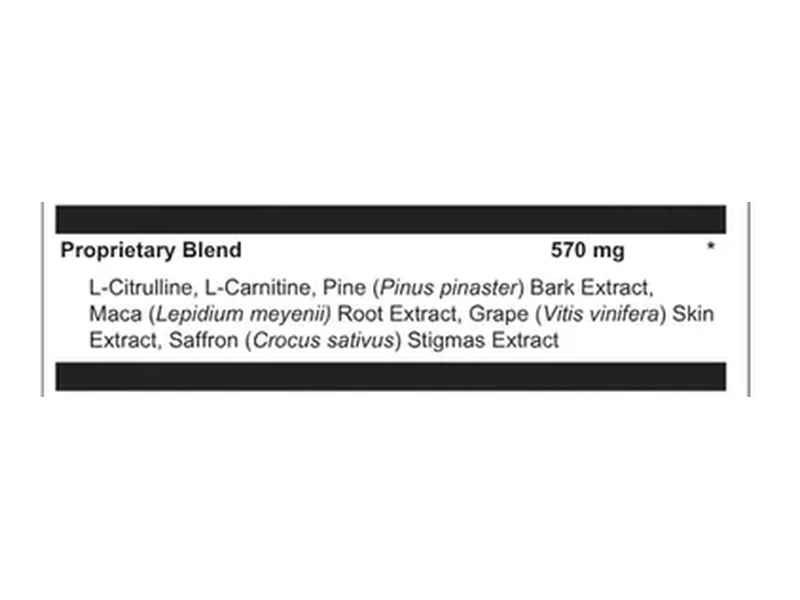
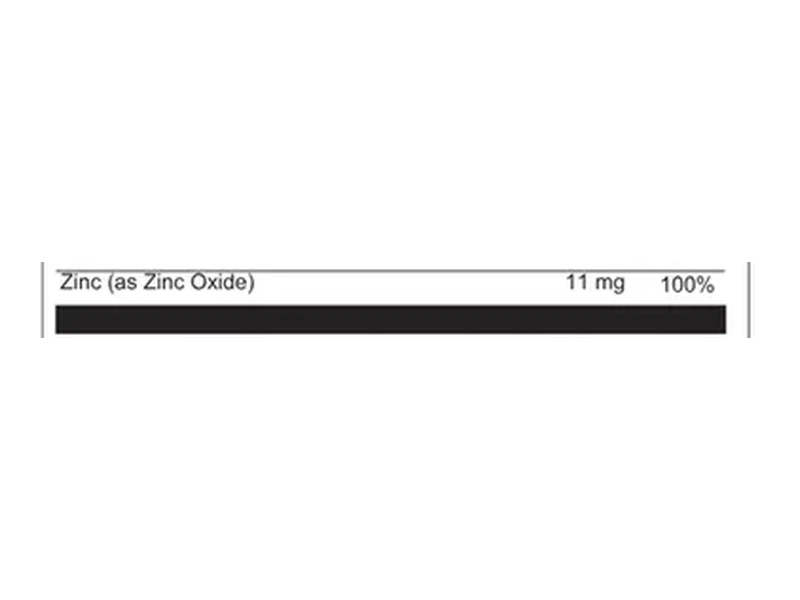
Vigorus is a men's capsule sold as support for libido, circulation and healthy testosterone within the normal range: one capsule daily built around L-citrulline for the nitric-oxide and circulation pathway, with maca, pine bark, grape skin and saffron in the 570 mg blend, plus zinc at a full daily value and niacin for normal energy metabolism, both disclosed at exact amounts. Its strengths are the honest ones for this category — a named ingredient list rather than a mystery trademark, a coherent circulation-and-libido mechanism, and a 60-day money-back guarantee. Its limitation is the same one that caps almost everything on the shelf: the six-ingredient core is a proprietary blend, so you cannot confirm each individual dose. That places it firmly in the "test it on the guarantee" bucket rather than the "verified doses" bucket — a reasonable choice for a man who wants simplicity and is willing to judge by his own two-to-three-month response. If you want to see how it stacks against single-ingredient options, it is set beside them in our guide to the best testosterone boosters.
Objection: "Can I take a natural booster instead of TRT?"
This is the question that most needs a straight answer. A natural testosterone booster is not a substitute for testosterone replacement therapy where a doctor has diagnosed clinically low testosterone. They are different tools: a booster aims to support your body's own production and the feelings tied to it, while TRT supplies the hormone directly under medical supervision and monitoring. If you genuinely suspect low testosterone — persistent fatigue, low libido, mood and strength changes — the responsible first move is a blood test and a conversation with a doctor, not a bottle bought on a hunch. A supplement can be a sensible layer of everyday support; it is not a diagnosis and not a treatment.
How long it takes, and how to give it a fair test
Plan on 8 to 12 weeks. Every mechanism above — restoring a micronutrient, lowering cortisol, improving circulation — works over weeks, not minutes. The commonest reason men conclude a natural booster "did nothing" is that they judged it after ten days. Run it daily for a full two to three months, take it at the same time each day, and, most importantly, stack it on the habits that do the heavy lifting: seven-plus hours of sleep, resistance training, enough protein, sunlight or supplemented vitamin D, and less chronic stress. No capsule out-performs those fundamentals, and every capsule works better on top of them.
The honest bottom line
Natural testosterone boosters are neither the miracle the ads promise nor the placebo the cynics claim. A handful of ingredients — tongkat ali, ashwagandha KSM-66, fenugreek, and the foundational vitamin D and zinc — have real human evidence at real doses, and they help most in the men who had the most room to recover. The rest is dose, patience and honesty about where you are starting from. Choose an ingredient or a formula whose evidence you respect, favour transparency, lean on a money-back guarantee for the part you cannot verify, give it a genuine 8-to-12-week run alongside good habits, and judge it by your own response. That is the whole realistic playbook.
Start your 90-day natural test
Cover the full support window with a multi-bottle supply, secure the lowest per-bottle price, and let the 60-day money-back guarantee hold the risk.
Order Vigorus From the Official StoreRelated reading
Tongkat Ali: Testosterone Benefits and Dosage
The trials, the 200–600 mg dosing range and the standardization to look for.
Ashwagandha, Testosterone and Cortisol
How KSM-66 at 600 mg lowers cortisol to support testosterone, and who benefits most.
How to Increase Testosterone Naturally
The sleep, training and diet levers that move testosterone more than any capsule.
Best Testosterone Booster 2026: Top Picks Ranked
The year's top natural boosters compared on dosing, transparency and value.
Frequently asked questions
Do natural testosterone boosters actually raise testosterone?
Some can, but the effect is real mainly for men who start low or deficient, and it is usually modest rather than dramatic. Vitamin D has raised testosterone in deficient men, ashwagandha KSM-66 has shown increases around 14.7% by lowering cortisol, and tongkat ali has several human trials behind it. A well-nourished man with already-normal testosterone should expect much smaller changes. No natural booster works for everyone, and none is a treatment for any medical condition.
Which natural ingredients have the most research?
Tongkat ali leads with five or more randomized controlled trials, dosed at 200 to 400 mg a day for libido and up to 600 mg for testosterone support. Ashwagandha KSM-66 at around 600 mg has the best cortisol-lowering evidence, fenugreek at 600 mg raised free testosterone in a six-week trial, and vitamin D and zinc are the foundational nutrients that matter most when you are deficient. Dose and standardization matter as much as the ingredient name.
Can I take a natural booster instead of TRT?
A natural booster is not a replacement for testosterone replacement therapy where a doctor has diagnosed clinically low testosterone — those are different tools for different situations. Boosters aim to support your body's own normal production and the feelings tied to it, such as drive and workout energy; TRT supplies the hormone directly under medical supervision. If you suspect a genuine deficiency, get a blood test and talk to a doctor before deciding either way.
How long do natural testosterone boosters take to work?
Give it 8 to 12 weeks of consistent daily use. Botanicals and minerals work by shifting biology — micronutrient status, cortisol, sleep and circulation — over weeks, not by producing an effect you feel within an hour. Libido and energy sometimes shift earlier, but a fair judgement needs a full two- to three-month run, ideally alongside the sleep, training and diet habits that move testosterone far more than any capsule.
References
- NIH Office of Dietary Supplements — Vitamin D, Health Professional Fact Sheet
- NIH Office of Dietary Supplements — Zinc, Health Professional Fact Sheet
- EFSA — Scientific Opinion on the substantiation of health claims related to zinc
- NIH Office of Dietary Supplements — Dietary Supplements for Exercise and Athletic Performance
- NCCIH — Ashwagandha: What You Need To Know