How to Naturally Increase Testosterone: 10 Proven, Everyday Ways
What is the fastest way to increase testosterone naturally?
To naturally increase testosterone, fix the four levers your body actually responds to: sleep seven to nine hours, lift heavy and sprint rather than grind long endurance sessions, eat enough protein, fat and micronutrients while keeping body fat in check, and lower chronic stress. These habits do the heavy lifting; a supporting supplement like Vigorus is the final step layered on top, not a shortcut around them.
- Sleep is the quickest win: under eight hours can drop next-day testosterone by up to 15 percent.
- Training type matters: resistance work and HIIT raise it, marathon-style endurance tends to lower it.
- After 30, men lose roughly 1–2 percent of testosterone a year, so the goal is to slow the slide, not chase a teenage peak.
If you have landed here, you have probably noticed something the bloodwork has not officially confirmed yet: the workouts that used to build muscle now just make you sore, the afternoon energy dip arrives earlier, the drive that used to be automatic now needs a running start. If that list feels familiar, it overlaps closely with the most common signs of low testosterone in men. You want to naturally increase testosterone without a prescription, without gimmicks, and without believing a bottle is going to do the whole job. Good. That instinct is correct, and this guide is built around it.
Here is the honest framing before the list starts. Testosterone in men peaks in the late teens and early twenties, then declines gradually — on average about 1–2 percent per year after age 30. That slow drift is normal biology, not a disease, and nothing on this page is a treatment for a diagnosed condition. What the research does show clearly is that everyday behaviour explains a large share of the variation between two men of the same age. The list below is ordered roughly by impact, so if you only fix the first three you will have done most of the work.
1. Protect seven to nine hours of sleep (the biggest lever)
The majority of your daily testosterone is produced while you sleep, and the largest pulses are tied to the deep and REM stages that only accumulate across a full night. This is why sleep is not a wellness cliché here — it is arithmetic. In a frequently cited University of Chicago study, restricting healthy young men to five hours in bed for one week lowered their daytime testosterone by 10–15 percent, an amount you would otherwise associate with aging more than a decade. Cut the night short and you cut the production window, full stop.
The practical version: pick a fixed wake time and hold it seven days a week, keep the room cool and dark, and stop scrolling in bed. If you fix nothing else on this list, fix this. It is free, it works within days, and every other item below performs better on the back of it.
2. Lift heavy, and lift the big movements
Resistance training is the exercise that most reliably supports testosterone, both in the minutes after a hard set and, more importantly, through the body composition it builds over months. Compound movements — squats, deadlifts, presses, rows, pull-ups — recruit the most muscle and drive the strongest acute hormonal response. You do not need to live in the gym; two to four focused sessions a week, taken close to genuine effort, is plenty for most men.
The mechanism that matters long term is not the post-workout spike, which is small and short-lived. It is that more lean mass and better insulin sensitivity keep your baseline higher year after year. Muscle is, in this sense, a hormonal asset you are choosing to maintain.
3. Add short, hard intervals — but do not become a marathoner
High-intensity interval training (HIIT) — think 20–40 seconds near-maximal, repeated with rest — supports testosterone and improves the cardiovascular fitness that lets you train harder everywhere else. This is where a lot of well-meaning men accidentally work against themselves. Chronic high-volume endurance training, the kind marathon and ultra-distance runners do, is repeatedly associated with lower resting testosterone, likely through sustained cortisol elevation and energy deficit. The takeaway is not that cardio is bad. It is that sprint-style, brief and intense beats hours of steady-state grinding if the hormone is your goal.
4. Keep your body fat in a healthy range
Fat tissue is not inert. It contains the aromatase enzyme, which converts testosterone into estrogen, so carrying excess body fat — particularly around the abdomen — tilts the balance the wrong way and can create a self-reinforcing loop: lower testosterone makes it harder to build muscle, less muscle worsens metabolic health, and so on. You do not need single-digit body fat, which brings its own hormonal problems. You need to get out of the clearly overweight range. For many men, dropping the first 10–15 pounds of visceral fat produces the most noticeable shift in energy and drive of anything on this list.
5. Eat enough — protein, fat, and the right micronutrients
Testosterone is built from cholesterol, which means very-low-fat diets are quietly counterproductive; men who cut dietary fat too aggressively often see levels dip. Aim for a diet with adequate protein for muscle, enough healthy fat (olive oil, eggs, fatty fish, nuts) to supply raw material, and enough total calories that your body is not running in a chronic deficit that reads as a stress signal.
Three micronutrients matter more than the rest here. Zinc is directly involved in testosterone production, and a deficiency reliably lowers it — which is exactly why it appears on so many men's labels. Magnesium supports free (usable) testosterone, and a large share of adults run low. Vitamin D, technically a hormone precursor, is associated with healthier levels, and deficiency is common in anyone who works indoors. Fixing a genuine shortfall in any of these helps; mega-dosing beyond sufficiency does not add more.
6. Get cortisol under control
Cortisol, your primary stress hormone, works in direct opposition to testosterone. When cortisol is chronically elevated — from relentless work stress, under-recovery, or poor sleep — it suppresses the signalling that tells your testes to produce, and it preferentially lowers free testosterone, the fraction your body can actually use. This is why two men with similar total testosterone can feel completely different: the stressed one has less of it available. Daily walks, breath work, time outdoors, real recovery days, and simply defending your sleep all lower the chronic-cortisol tax. Stress management is not soft advice; it is endocrinology.
Want a supporting step once the basics are in place?
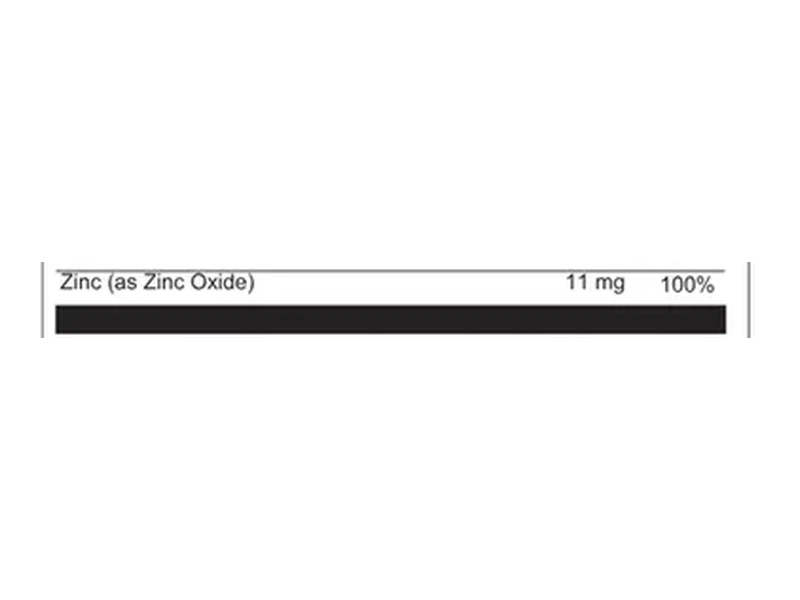
Vigorus is a once-daily men's formula built around L-citrulline and four botanical extracts plus a full daily value of zinc — a mineral involved in normal testosterone production. It is the layer you add on top of sleep, training and diet, never a substitute for them.
See Vigorus at the Official Store7. Rethink alcohol, especially the nightly kind
One or two drinks now and then is not the issue. Regular, heavier drinking is, on two fronts: alcohol interferes with testosterone synthesis directly, and it wrecks sleep quality — particularly REM — which then costs you production overnight through the mechanism in point one. If you drink most nights, the highest-leverage change many men can make is simply cutting the weeknight glasses. You will often feel the difference in morning energy inside a week.
8. Move all day, not just for one hour
An hour in the gym does not undo eight hours in a chair. Prolonged sedentary time is independently linked to worse metabolic health, which drags testosterone down. The fix is unglamorous and effective: stand and walk regularly, take the stairs, get a few thousand more steps in. Daily low-level movement improves insulin sensitivity and keeps body fat in check — the same two levers behind points four and five.
9. Reduce needless exposure to endocrine disruptors
This one deserves a calm, non-alarmist treatment. Certain everyday chemicals — some plasticisers and additives — can weakly interfere with hormone signalling. You cannot and should not try to live in a bubble, and the effect of any single exposure is small. But a few low-effort habits are reasonable: avoid microwaving food in plastic, favour a stainless or glass water bottle, and do not treat receipts and heavily processed packaging as things to handle all day. Sensible, not obsessive.
10. Consider a supporting supplement — last, not first
Only now, after the nine levers that actually move the needle, does a supplement earn a place. A well-built men's formula will not override poor sleep or a bad diet, and any product that promises to is lying to you. What a sensible supplement can do is help cover common micronutrient gaps and add botanicals studied for men's vitality — the kind of ingredients we unpack in our guide to how natural testosterone booster supplements actually work — a supporting role, honestly described.
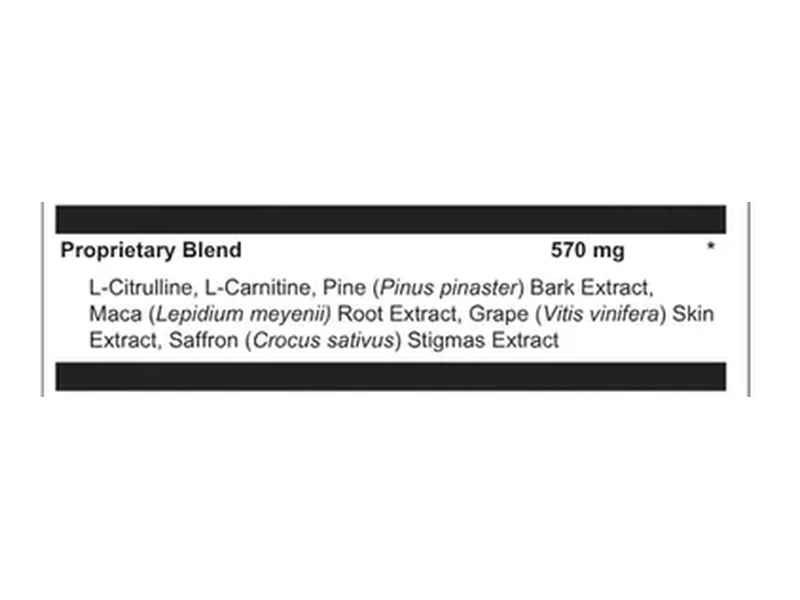
This is the niche Vigorus is built for. It is a once-daily capsule that pairs a full daily value of zinc — the mineral European authorities recognise as contributing to the maintenance of normal blood testosterone — with niacin and a botanical blend that includes maca root and pine bark extract. If you are curious about exactly what is in it and at what amounts, we have written a candid breakdown of what the Vigorus 570 mg proprietary blend can and cannot contain, because the whole point of this site is to read the label honestly rather than the sales page. Treat the supplement as step ten, keep steps one through nine, and you have given yourself the best realistic shot at slowing that 1–2 percent annual slide.
Why it gets harder to naturally increase testosterone after 30
It is worth naming the backdrop so your expectations stay grounded. From your thirties onward, the age-related decline means you are partly swimming against a current. That is not a reason for despair; it is a reason to be consistent. A 45-year-old who sleeps well, lifts, keeps his body fat reasonable and manages stress can easily carry healthier levels than a 30-year-old who does none of those things. Genetics set a range; your habits decide where inside that range you live. If your symptoms are severe or persistent, that is a conversation for a doctor and a blood test — no article and no supplement replaces a proper diagnosis.
Build the habits. Add the daily support.
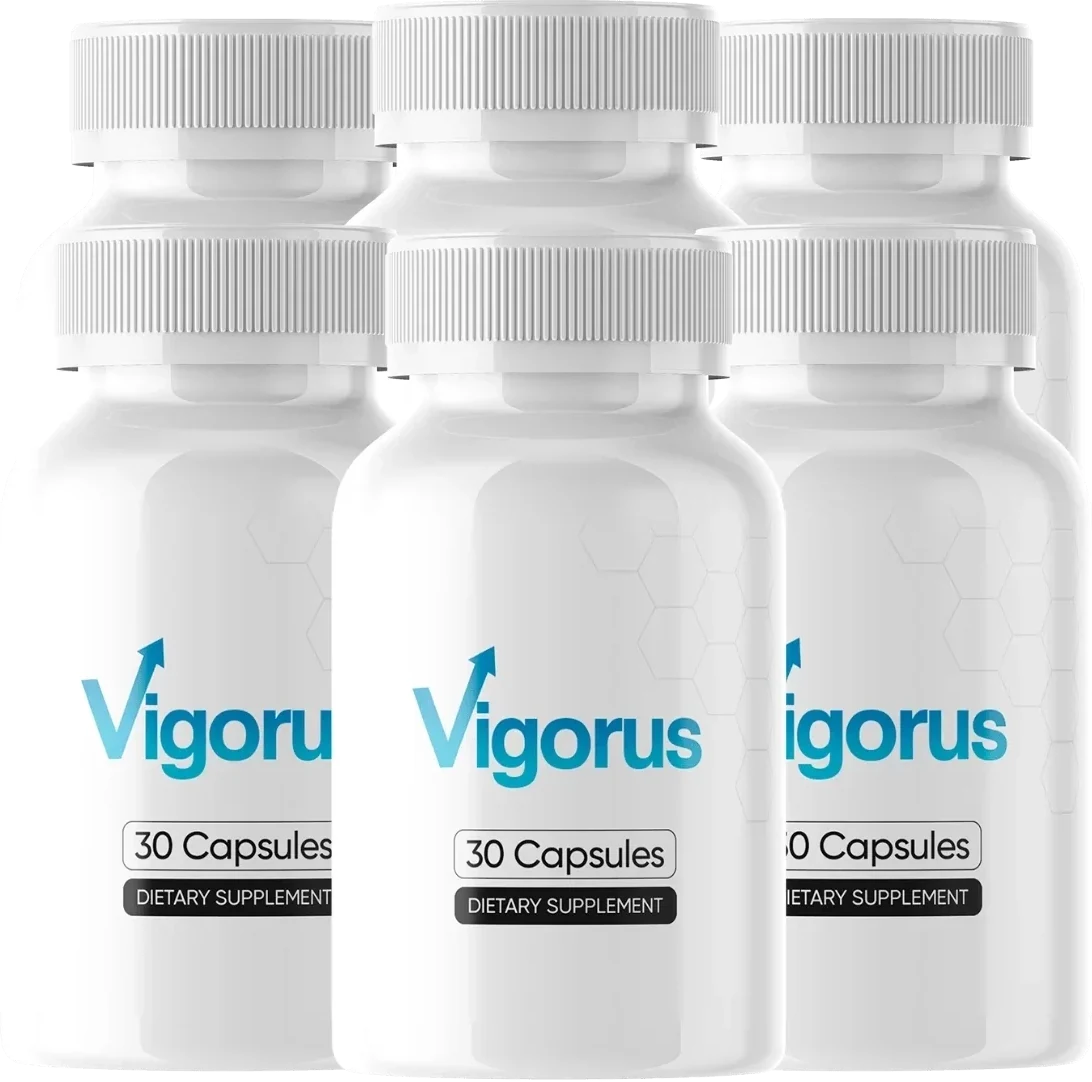
One capsule a day, 30 per bottle, with today's official-store pricing and a 60-day money-back guarantee. The multi-bottle bundles carry the lowest cost per bottle.
Order Vigorus From the Official StoreFrequently asked questions
What is the fastest way to increase testosterone naturally?
Fix your sleep first. It is the single lever with the quickest measurable effect, because a run of nights under about eight hours can cut next-day testosterone by as much as 15 percent in otherwise healthy men. You cannot out-train or out-supplement a chronic sleep debt, so protect seven to nine hours before you change anything else. It costs nothing and it moves the number within days rather than months.
Does exercise really boost testosterone?
Yes, but the type matters. Resistance training with compound lifts and short, hard interval work produce an acute rise in testosterone and, more importantly, improve the body composition and insulin sensitivity that support healthy levels over time. Very high-volume endurance work, such as marathon-style training, tends to push testosterone the other way. The useful rule is lift, sprint, and recover rather than grind out long steady-state miles every day.
How does sleep affect testosterone levels?
Most of a man's daily testosterone is produced during sleep, with the largest release tied to the deep and REM stages that only accumulate across a full night. Cut the night short and you cut the production window, which is why sleeping under eight hours can lower next-day testosterone by up to about 15 percent. Consistent bed and wake times, a cool dark room, and less late alcohol all protect that overnight window.
Can diet and supplements raise testosterone together?
They work best as a pair, not as rivals. Diet does the heavy lifting by supplying enough protein, dietary fat and micronutrients like zinc, magnesium and vitamin D, and by keeping body fat in a healthy range. A supplement such as Vigorus is a supporting step layered on top of that foundation, not a replacement for it. No capsule offsets poor sleep, chronic stress or a diet short on the raw materials your body needs.
Related reading
References
- JAMA — Effect of 1 Week of Sleep Restriction on Testosterone Levels in Young Healthy Men
- NIH Office of Dietary Supplements — Zinc, Health Professional Fact Sheet
- NIH Office of Dietary Supplements — Magnesium, Health Professional Fact Sheet
- NIH Office of Dietary Supplements — Vitamin D, Health Professional Fact Sheet
- EFSA — Scientific Opinion on the substantiation of health claims related to zinc