How Long a Testosterone Booster Takes to Work: A Realistic Timeline
How long does a testosterone booster take to work?
Most men feel the first shifts from a testosterone booster in 2–4 weeks, usually in drive and daytime energy, while measurable changes in strength and body composition build over 8–12 weeks of consistent daily use. Give any daily men's supplement, Vigorus included, a fair 8–12 week trial before you judge results.
- Weeks 2–4: earliest shifts, usually libido, mood and afternoon energy.
- Weeks 8–12: the honest window to judge strength, recovery and body composition.
- Consistency beats intensity: skipped days reset the slow, cumulative effect.

The single most common reason men give up on a testosterone booster is that they quit before it could possibly have worked. So let's answer the real question — how long a testosterone booster takes to work — before you spend a cent, because getting the timeline right is what separates a fair trial from a wasted one. The short version is that this is a slow-burn category: you are coaxing your own hormone production, not swallowing a stimulant, and that machinery moves on a timescale of weeks and months, not hours.
We are an independent review site that covers Vigorus, a once-daily men's supplement, and we earn a commission if you buy through our links. That is exactly why we would rather set your expectations correctly now than have you feel misled at week two. Men who understand the timeline stick with the product long enough to actually evaluate it; men who don't request a refund on day ten and never find out. Honest expectation-setting is good for you and good for us.
How long a testosterone booster takes to work, week by week
Think of the timeline in three phases, because different things change at different speeds. The first phase is invisible: your body is topping up raw materials and easing the brakes on its own production. The second phase is what you feel — drive, mood, energy — and it usually arrives before anything you can see in the mirror. The third phase is what you can measure: strength, recovery and body composition, which are the slowest to move because they depend on training and consistency stacking up over time. Rushing to judge in phase one is the classic mistake.
Week 1–2: what's happening under the hood
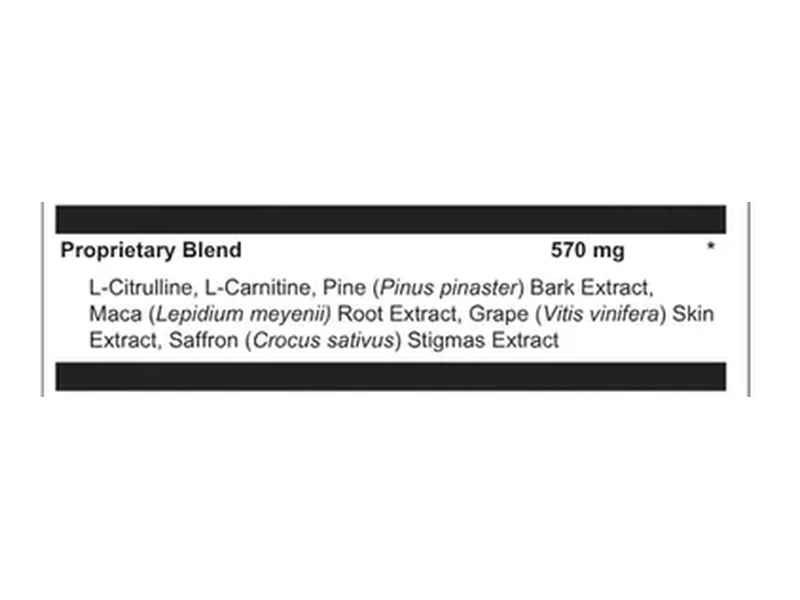
Do not expect fireworks in the first fortnight. What is happening is real but silent: if you were low in a nutrient like zinc or vitamin D, your body is beginning to restore it, and the botanical components are building up to a steady level in your system. Some men notice slightly steadier energy or better sleep quality in this window, and both are worth logging, but the absence of a dramatic change here means nothing. Judging a booster at day ten is like judging a savings account after one deposit.
Week 2–4: the first thing most men notice
This is where the earliest genuine shifts tend to show, and they are almost always in the "feel" column rather than the "look" column. Libido and daytime drive are usually first to move, because they respond quickly to better circulation, better sleep and corrected micronutrient status. Motivation and afternoon energy often follow. None of this is a guarantee — responses vary from man to man — but if a booster is going to do anything noticeable for you, the two-to-four-week mark is where the first hint typically appears. It is a hint, not a verdict.
Week 8–12: where the real read is
This is the window that matters, and the one most people never reach. By eight to twelve weeks of consistent daily dosing you have given the slower changes — strength in the gym, recovery between sessions, gradual shifts in body composition — enough runway to actually show up. It is also long enough that if genuinely nothing has changed across energy, drive, training or mood, you have your answer and can stop with confidence. Either way, the eight-to-twelve-week mark is the honest place to make the call. Anything earlier is a guess dressed up as a conclusion. If you want a sense of what men report over a longer arc, our plain-English look at whether Vigorus actually works walks through the pattern.
Why lifestyle trials run 4–6 months
If you are leaning on a booster as one part of a broader push — cleaning up sleep, training harder, cutting the drinking, dropping some weight — then stretch your expectations further still, to a four-to-six-month window. Those lifestyle levers are the biggest drivers of natural testosterone, and they compound slowly. A supplement works best as the steady daily layer underneath them, not as a replacement for them. If you want the levers that do the heavy lifting alongside any capsule, our guide to how to increase testosterone naturally through sleep, training and diet is the piece to read next. The takeaway is the same either way: this is a marathon input, so measure it on a marathon clock.
Does taking more make it work faster?
It is a tempting shortcut and a bad one. Doubling the dose of a testosterone booster does not compress the timeline, because the rate-limiting step is not how much you swallow — it is how long your own production takes to respond and how consistently you feed it. Most of these ingredients have a ceiling beyond which extra does nothing useful, and with a few (zinc among them) more is actively counterproductive: chronically high zinc intake can interfere with copper absorption, which is the opposite of a health win. The labelled once-daily dose exists because that is the amount the formula was built around, and Vigorus keeps it deliberately simple at one capsule a day for exactly that reason. Speed here comes from consistency and from fixing the lifestyle inputs underneath — sleep, training, stress — not from stacking capsules. If you want faster, sleep an extra hour; do not take a second pill.
Signs it's working that aren't on the scale
Because the visible, measurable changes come last, a lot of men conclude nothing is happening when in fact several quieter things already are. Watch for these before you watch the mirror. Morning energy that arrives without three coffees. An afternoon that no longer collapses at 3pm. Drive and interest returning to a baseline you had half-forgotten. Slightly better sleep quality, which then feeds every other marker. A gym session where the last set feels a little less like a wall. None of these are dramatic, and none will show on a scale or a tape measure for weeks — but stacked together they are the early signal that the slower, visible changes are on their way. Keep the two-line weekly log we suggest below precisely so you notice these shifts, because they are easy to miss in real time and obvious in hindsight. Judging a booster only by what you can photograph guarantees you write it off before the photographable part has had a chance to happen.
Three reasons a booster can look like it "isn't working"
1. Not enough time. By far the most common. You are three weeks in, phase three hasn't started, and you have concluded the product is inert. It isn't necessarily — you are simply reading the result before it exists. The fix is patience, and buying enough supply up front that quitting early isn't even convenient.
2. Inconsistent dosing. These formulas rely on a steady daily level in your system. Skip Tuesday, forget the weekend, restart Monday, and you never build the plateau the ingredients need to do their work. A once-daily capsule like Vigorus is designed to be easy precisely because consistency is the whole game — tie it to an existing habit so you never miss. Our note on how and when to take Vigorus each day covers the simplest routine.
3. The wrong expectation. If your mental benchmark is a drug-like, next-morning transformation, every real supplement will "fail," because that is not what this category does. The honest promise is a modest, gradual lift for men whose numbers are borderline or whose nutrient status has gaps — not a switch you flip. Reset the benchmark and the same result suddenly reads as a success. If you are still deciding whether to start at all, weigh the realistic side effects and safety profile of testosterone boosters so your expectations run in both directions.
How to give Vigorus a fair trial
Here is the protocol we would give a friend. Buy at least a two-to-three-month supply at once, because the multi-bottle bundles are cheaper per bottle and they remove the temptation to quit at week two. Take one capsule at the same time every day, anchored to something you already do — coffee, brushing your teeth — so you never skip. Keep a two-line log each week: energy, drive, sleep, training. And do not step on the scale of judgement until week eight at the earliest. Do that, and whatever verdict you reach will be a real one.
That is genuinely the difference between men who feel a booster earned its place and men who feel they wasted their money on the identical product. Same capsule, different clock. Give it the eight-to-twelve-week window it was built for, and let the result — good or bad — actually declare itself.
What to do if the trial doesn't deliver
A fair trial can end with a "no," and that is a legitimate outcome, not a failure of nerve. If you have taken the capsule consistently for a full twelve weeks, kept your sleep and training reasonable, and genuinely felt nothing across energy, drive, mood or the gym, then you have learned something useful: this particular lever is not the one your body was waiting on. That is exactly the situation the 60-day money-back guarantee exists for, and using it is the sensible move rather than quietly finishing a bottle you no longer believe in. It also points you somewhere more productive — usually toward bloodwork, because a man who corrects sleep, trains, and runs a clean booster trial with no response is a man who should get an actual testosterone number and have a proper conversation about it. The value of a disciplined trial is that its "no" is trustworthy: you are not left wondering whether you gave it a fair shake, because you did, and you can escalate with a clear head instead of a nagging maybe.
Buy the supply your timeline needs
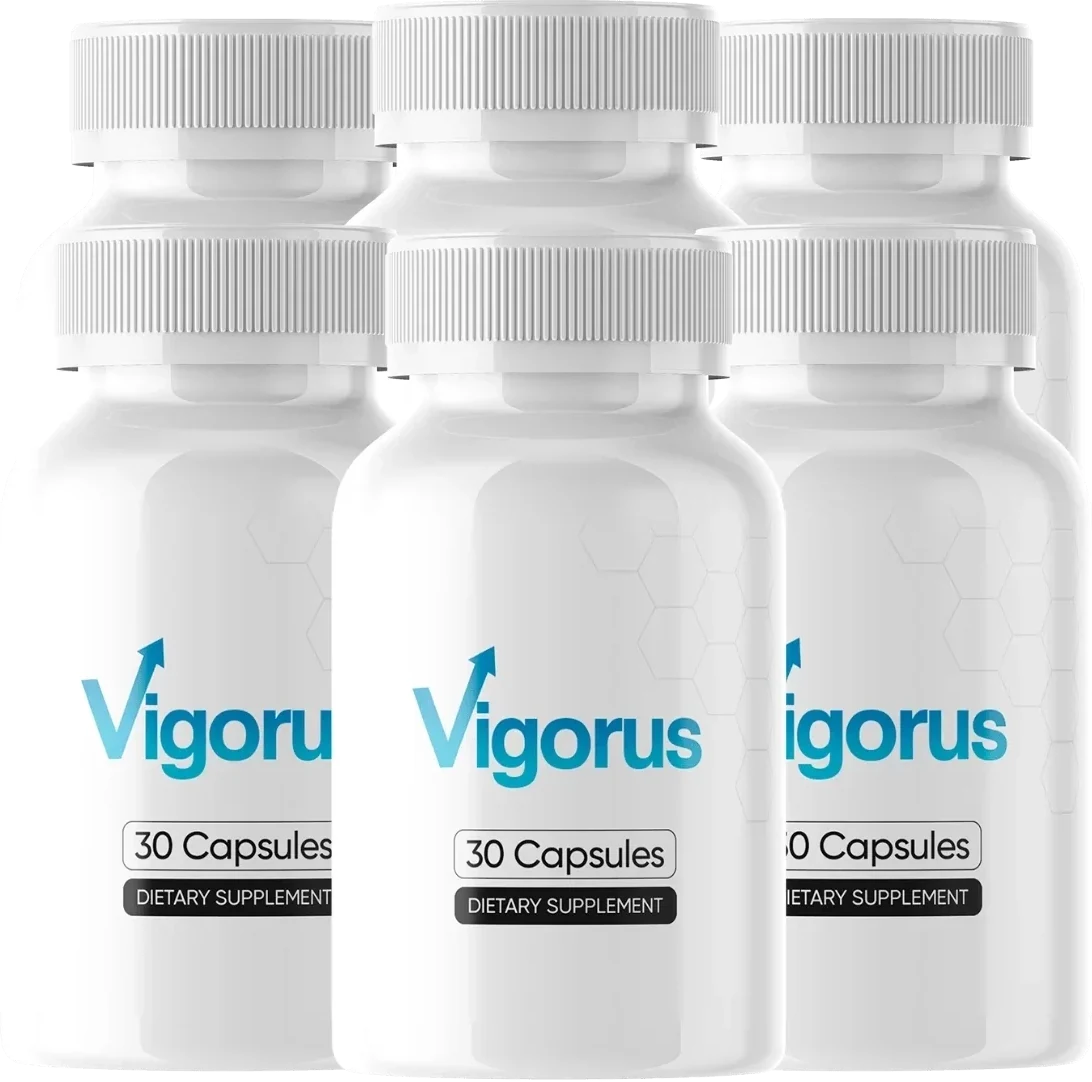
A multi-bottle bundle covers the full 8–12 week window at the lowest price per bottle, backed by a 60-day money-back guarantee — so you can judge it fairly.
Order Vigorus From The Official StoreFrequently asked questions
How long does a testosterone booster take to work?
Most men need 8 to 12 weeks of consistent daily use before a testosterone booster shows its clearest effects. Some early shifts — in drive, mood or afternoon energy — can appear within the first 2 to 4 weeks, but strength and body-composition changes build slowly. Judging any daily supplement, Vigorus included, before the eight-week mark usually means judging it too early.
What should I feel first on a testosterone booster?
Drive and daytime energy tend to move first, often somewhere in weeks two to four, because those respond quickly to better sleep, circulation and micronutrient status. Visible changes in muscle, recovery and body composition come later, once you have stacked enough consistent days. If nothing at all has shifted by week eight, that is a useful signal to reassess.
How long should I take a booster before judging it?
Give it a full 8 to 12 weeks at the labelled daily dose before deciding, and if you are relying mainly on lifestyle changes alongside it, think in terms of a 4 to 6 month window. Supplements work on the slow, cumulative timescale of your own hormone production, not on the timescale of a painkiller.
Why isn't my testosterone booster working yet?
The three usual reasons are time, consistency and expectation. Too little time — you are only weeks in; inconsistent dosing — skipped days blunt any cumulative effect; and expecting a dramatic, drug-like jump rather than the modest, gradual lift these products realistically offer. Fix the first two, reset the third, and give Vigorus the full trial window before you write it off.