Testosterone Booster Side Effects: An Honest Safety Guide
Are testosterone boosters safe to take?
For most healthy adult men, herbal testosterone boosters taken at label doses are generally well tolerated, with side effects that tend to be mild and dose-related, such as digestive upset. They are a different thing from prescription testosterone therapy, which needs medical supervision. Safety depends on the ingredients, honest dosing, third-party testing, and your own medications.
- Herbal boosters and TRT are not the same risk category — do not judge one by the horror stories of the other.
- The commonest real-world complaints are mild digestive effects, not the dramatic ones people fear.
- Interactions and pre-existing conditions matter more than the pills themselves — read the label and ask a clinician.
Before most men buy a men's-health supplement, one search sits between them and the checkout: testosterone booster side effects. It is the right instinct. You should want to know what a product can do to you before you know what it can do for you. The good news, and the honest news, is that the answer for a well-made herbal booster is far less alarming than the internet's loudest threads suggest — but it is not nothing, and the details are worth getting right. This guide walks through what the real risks are, how they differ from the risks people are actually picturing, and how to buy in a way that keeps you on the safe side of the line.
We will draw one distinction hard, because almost every scary story about testosterone side effects collapses once you make it: the difference between a botanical supplement and prescription testosterone replacement therapy. They share three words in a phrase and almost nothing else.
Two very different things share one name
When people say testosterone booster they usually mean one of two completely different products. The first is a herbal or nutrient supplement — zinc, tongkat ali, fenugreek, ashwagandha, citrulline, and similar — that aims to support your body's own hormone production and downstream effects modestly and indirectly. The second is testosterone replacement therapy, or TRT: actual testosterone, prescribed by a doctor, delivered by injection, gel, or pellet, that raises your blood levels directly and substantially.
Nearly every serious side effect associated with testosterone — the cardiovascular monitoring, the changes to red blood cell count, the fertility suppression, the need for regular blood work — belongs to the second category. Those are the effects of putting a potent hormone into your bloodstream. A herbal supplement that nudges your own physiology does not do that, which is why its risk profile is a different animal entirely. If you want the two laid side by side, our comparison of a natural testosterone booster versus TRT and their risk profiles is the companion piece to this one. For now, hold on to the principle: do not judge a supplement by the medical supervision a drug requires.
The real testosterone booster side effects, ranked by how common they are
Here is the honest, unglamorous list. At label doses, the side effects people actually report from herbal testosterone boosters are, in rough order of frequency:
Mild digestive upset. This is by far the most common. Some botanical extracts and minerals — zinc in particular — can cause nausea, stomach ache, or loose stools, especially when taken on an empty stomach. It is usually solved by taking the capsule with food. It is uncomfortable, not dangerous, and it fades for most people within a week or two.
Sleep and restlessness changes. Some ingredients are gently activating, and a minority of men notice lighter sleep or a wired feeling, particularly if the product also contains caffeine or other stimulants. Others report the opposite — ashwagandha can be calming. Timing the dose earlier in the day, or in the evening, fixes most of this.
Headache or mild flushing. Niacin, when present in higher amounts, can cause a harmless warm flush. Circulation-focused ingredients that widen blood vessels can occasionally produce a light headache as the body adjusts. Both are typically transient.
Rarely, something more serious. The genuine hazards in this category almost always trace to one of three things: a hidden stimulant or undeclared pharmaceutical in a poorly regulated product, a contaminant that third-party testing would have caught, or an interaction with a medication you were already taking. None of those is inherent to the concept of a booster; all of them are avoidable by choosing carefully. That is the whole game, and we come back to it below.
What is striking about that list is what is not on it. The dramatic, hormone-driven effects men fear — rage, shrinkage, dependency — are effects of exogenous testosterone at pharmacological doses, not of a botanical capsule. Fear-setting the wrong list is how good products get avoided for the wrong reasons.
Prefer a supplement with a label you can actually read?
Vigorus discloses its vitamins and minerals by exact amount and names every ingredient in its blend — one capsule daily, 30 to a bottle, backed by a 60-day money-back guarantee.
Check Vigorus at the Official StoreTestosterone boosters versus TRT: two risk profiles, not one
It is worth spending a paragraph on why TRT carries the risks it does, because understanding that makes the supplement side click into place. Prescription testosterone raises your circulating hormone to a level your body did not choose. That can be exactly the right treatment for a man with clinically diagnosed hypogonadism — but it comes with real trade-offs a doctor manages: it can thicken the blood by raising haematocrit, it can shut down your own production and reduce fertility while you are on it, and it needs periodic blood tests to keep everything in range. Those are the price of a powerful, effective medical intervention.
A herbal booster is not making that trade. It is not adding hormone; it is supplying nutrients and plant compounds that support your own systems at the margin. That is also why its ceiling is lower — you should not expect a supplement to do what a prescription does — but it is precisely why its downside is smaller too. Lower potency and lower risk are the same coin. Choosing between them is a genuine decision, and it should be made on where your levels actually sit, which is the subject of our guide to the signs of low testosterone in men over 40 and when a blood test is the right next step.
Can testosterone boosters cause hair loss or acne?
This is one of the most common specific worries, so it deserves a direct answer. Hair loss and acne are androgen-driven: they happen when androgen activity in the skin and scalp increases. That is a recognised, dose-related concern with TRT, which meaningfully raises hormone levels. With a herbal booster, the hormonal changes are far smaller and indirect, so these effects are much less likely and are not well documented at label doses.
The honest caveat: if you are genetically predisposed to male-pattern hair loss, your follicles are more sensitive to androgens in general, and it is reasonable to be more cautious with anything that influences hormones — even modestly. But there is a large gap between injecting testosterone and taking a botanical capsule, and it is not accurate or fair to treat them as the same threat to your hairline. If hair loss is a live concern for you, that is a conversation to have with a clinician who can weigh your specific risk.
Interactions and who should skip a testosterone booster entirely
If there is one part of this article to take seriously, it is this one, because interactions and pre-existing conditions are where the real, avoidable harm lives. Some categories of men should not take a testosterone booster without medical guidance:
- Anyone under 18, and anyone pregnant or breastfeeding — these products are formulated for adult men and are not appropriate otherwise.
- Men with hormone-sensitive conditions, such as prostate cancer, unless a doctor has said it is fine.
- Men on medications with narrow safety margins — blood thinners, blood-pressure drugs, diabetes medication, and similar. Several booster ingredients can affect blood pressure, blood sugar, or clotting, and a small shift on top of a prescription is where problems begin.
- Anyone managing a diagnosed health condition, who should treat starting a supplement as a decision to run past their clinician, not one to make alone.
This is not a scare list; it is a filter. For a healthy adult man not taking daily medication, a sensibly dosed booster is a low-risk thing to trial. For a man on three prescriptions with a heart condition, the calculus is completely different. Knowing which of those you are is more important than any single ingredient on the label.
How to buy so the risk stays low
Most of a supplement's real-world safety is decided before you swallow it — at the point of purchase. Four checks do most of the work:
Look for third-party testing. Because the FDA does not approve supplements before sale, the meaningful quality signal is independent verification — a certificate of analysis, or a mark from an outside lab — confirming the product contains what the label says and nothing it should not. Contamination and mislabelling, not the intended ingredients, are behind most genuine supplement injuries.
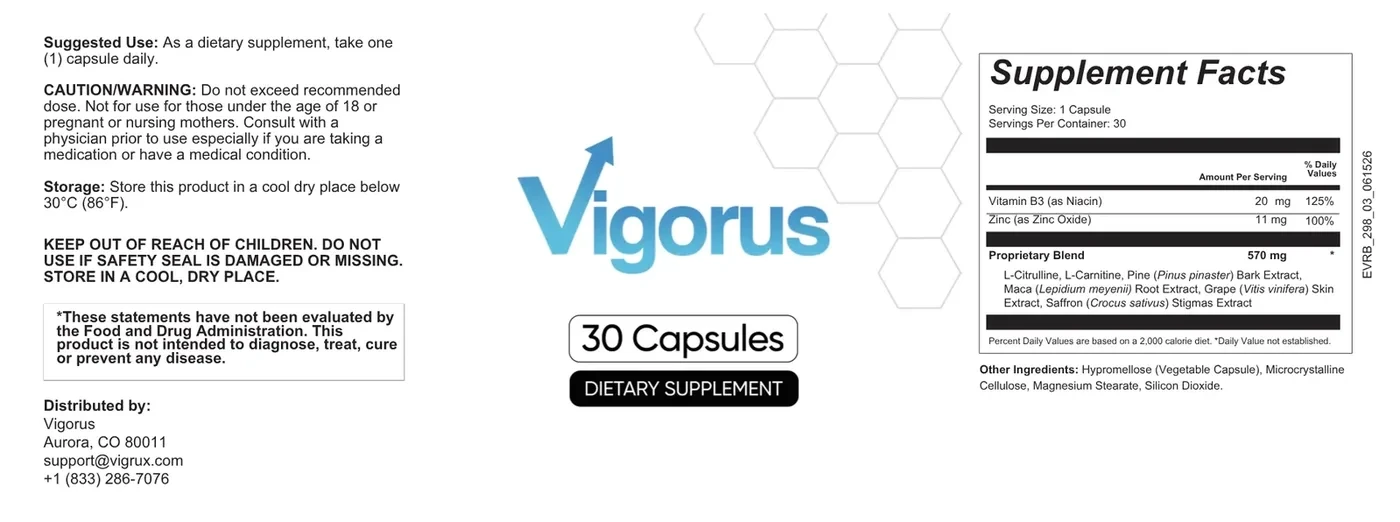
Read the label for honesty, not just ingredients. A product that discloses its vitamin and mineral amounts exactly, and names every botanical, is easier to evaluate and to look up than one hiding everything behind a vague blend. We took one such panel apart in our breakdown of what is actually inside the Vigorus 570 mg proprietary blend, which shows both the value and the limits of label disclosure.
Be suspicious of miracle language. Any product promising drug-like, overnight results is either overselling a mild supplement or hiding something that should not be there. Honest supplement copy is modest by necessity, and modest copy is a safety feature.
Match the dose to your body and your meals. Start at the label dose, take mineral-heavy products with food, and give any booster the eight to twelve weeks it needs rather than stacking extra capsules chasing speed. Our overview of a how to choose a natural testosterone booster supplement goes deeper on separating evidence from marketing.
Where Vigorus sits on the safety question
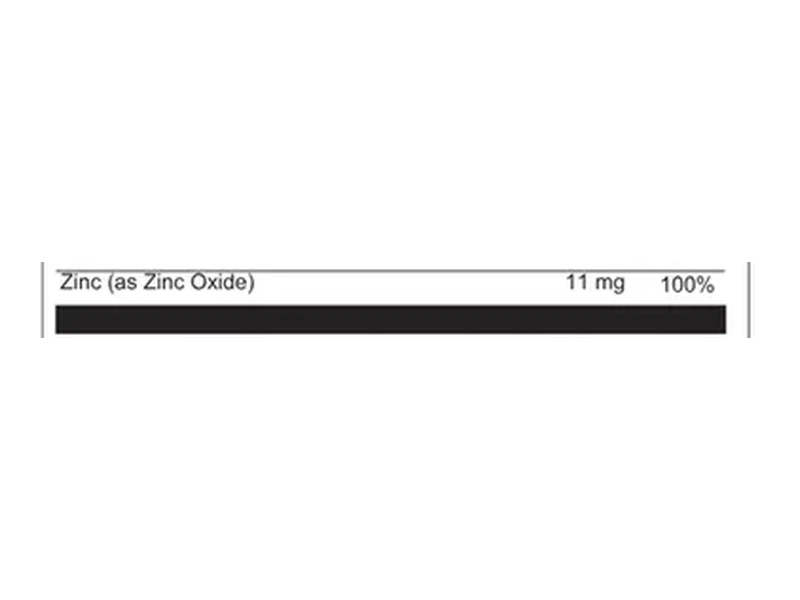
To be plain, as an independent review site: Vigorus is a once-daily men's supplement, not a prescription and not a hormone. Its panel prints its vitamin and its mineral by exact amount — including a full daily value of zinc, the mineral European authorities recognise for the maintenance of normal testosterone — and it names each ingredient in its botanical portion rather than hiding them. That transparency is exactly the kind of label the safety checklist above rewards. It does not exempt anyone from the interaction cautions in this article, and it is not a treatment for a diagnosed deficiency; a man with real symptoms still belongs at a blood test first. But on the specific question this page is about — is this the sort of product whose risks are readable and modest — a disclosed, once-daily formula with modest printed amounts is the profile you want. If you are weighing it up, our honest read on whether Vigorus works and what to realistically expect is the fair-minded next stop.
The bottom line
Testosterone booster side effects are real but, for a well-made herbal product taken at label doses by a healthy man, they are mostly mild and manageable — digestive upset, the occasional sleep or flush effect, and little else. The serious risks people fear belong to prescription testosterone, to contaminated products, and to interactions with existing medications, and all three are avoidable with the right choices. Read the label, prefer third-party-tested products, respect the interaction list, and when in doubt, ask a clinician. Do that, and safety stops being the reason not to try one and becomes simply the way you try one.
A label you can check before the first capsule
Printed niacin and zinc amounts, a named blend, and one capsule a day. See current pricing and the 60-day money-back guarantee at the official Vigorus store.
Order Vigorus From the Official StoreRelated reading
Testosterone Booster vs TRT
The two risk profiles side by side, and how to tell which decision is actually yours to make.
Natural Testosterone Booster Supplements
Separating evidence from marketing, and reading a label for honesty as well as ingredients.
Vigorus Reviews: Does It Work?
A fair-minded read on what to expect from the formula and what it cannot do.
Testosterone Booster Timeline & Results
How long a botanical booster realistically needs before you can judge it.
Frequently asked questions
Are testosterone boosters safe to take?
For most healthy adult men, herbal testosterone boosters taken at label doses are generally well tolerated, with side effects that tend to be mild and dose-related, such as digestive upset. They are not risk-free, and they are a different thing from prescription testosterone replacement therapy, which requires medical supervision and blood monitoring. Safety depends on the specific ingredients, honest dosing, third-party testing, and your own health and medications, so read the label and check with a clinician if you take anything regularly.
What are the side effects of testosterone boosters?
The most commonly reported effects from herbal boosters are mild and digestive: stomach upset, loose stools, or nausea if taken on an empty stomach. Some ingredients can cause restlessness or affect sleep, and stimulant-containing products can raise heart rate. High-dose or contaminated products carry more serious risk, which is why third-party testing matters. Serious side effects are far more associated with prescription testosterone therapy than with sensibly dosed supplements.
Can testosterone boosters cause hair loss or acne?
Hair loss and acne are driven by androgen activity, so they are a recognised concern with prescription testosterone therapy that meaningfully raises hormone levels. Herbal boosters produce far smaller, indirect changes, so these effects are much less likely and not well documented at label doses. If you are genetically prone to pattern hair loss you may be more sensitive, but a botanical supplement is not comparable to injected or gelled testosterone.
Who should not take a testosterone booster?
Anyone under 18, anyone pregnant or breastfeeding, and men with hormone-sensitive conditions such as prostate cancer should avoid them unless a doctor advises otherwise. So should anyone on blood thinners, blood-pressure or diabetes medication, or drugs with narrow safety margins, because of interaction risk. If you have a diagnosed medical condition or take prescription medication, treat a testosterone booster as something to clear with your clinician first, not to start on your own.
References
- FDA — Dietary Supplements: What You Need to Know
- NIH Office of Dietary Supplements — Zinc, Health Professional Fact Sheet
- NCCIH — Dietary and Herbal Supplements
- EFSA — Scientific Opinion on the substantiation of health claims related to zinc
- NIH Office of Dietary Supplements — Botanical Dietary Supplements Background