Testosterone Booster vs TRT: Cost, Results, and Which to Try First
Testosterone booster vs TRT — what's the real difference?
A testosterone booster is a daily supplement that nudges your body to make more of its own testosterone, while TRT is a prescription that replaces the hormone directly. Boosters cost roughly $240–$960 a year versus $1,800–$4,800 for TRT, and suit borderline or nutrient-driven cases. TRT is more reliable below 300 ng/dL.
- Mechanism: a booster stimulates your own production; TRT supplies testosterone from outside the body.
- Cost in 2026: a booster is the lower-priced first step, TRT the larger ongoing medical commitment with monitoring.
- Best fit: boosters for borderline readings and nutrient gaps; TRT when bloodwork sits clearly below ~300 ng/dL.
If you have been weighing a testosterone booster vs TRT, you are standing at the most common fork in men's health, and it is an easy one to get wrong in either direction. Some men rush into testosterone replacement therapy for symptoms a $50 correction would have covered; others spend two years cycling through capsules while their bloodwork quietly sits in genuine deficiency. The two options are not rivals so much as different tools for different problems, and the whole point of this article is to tell you which problem you actually have before you spend a dollar.
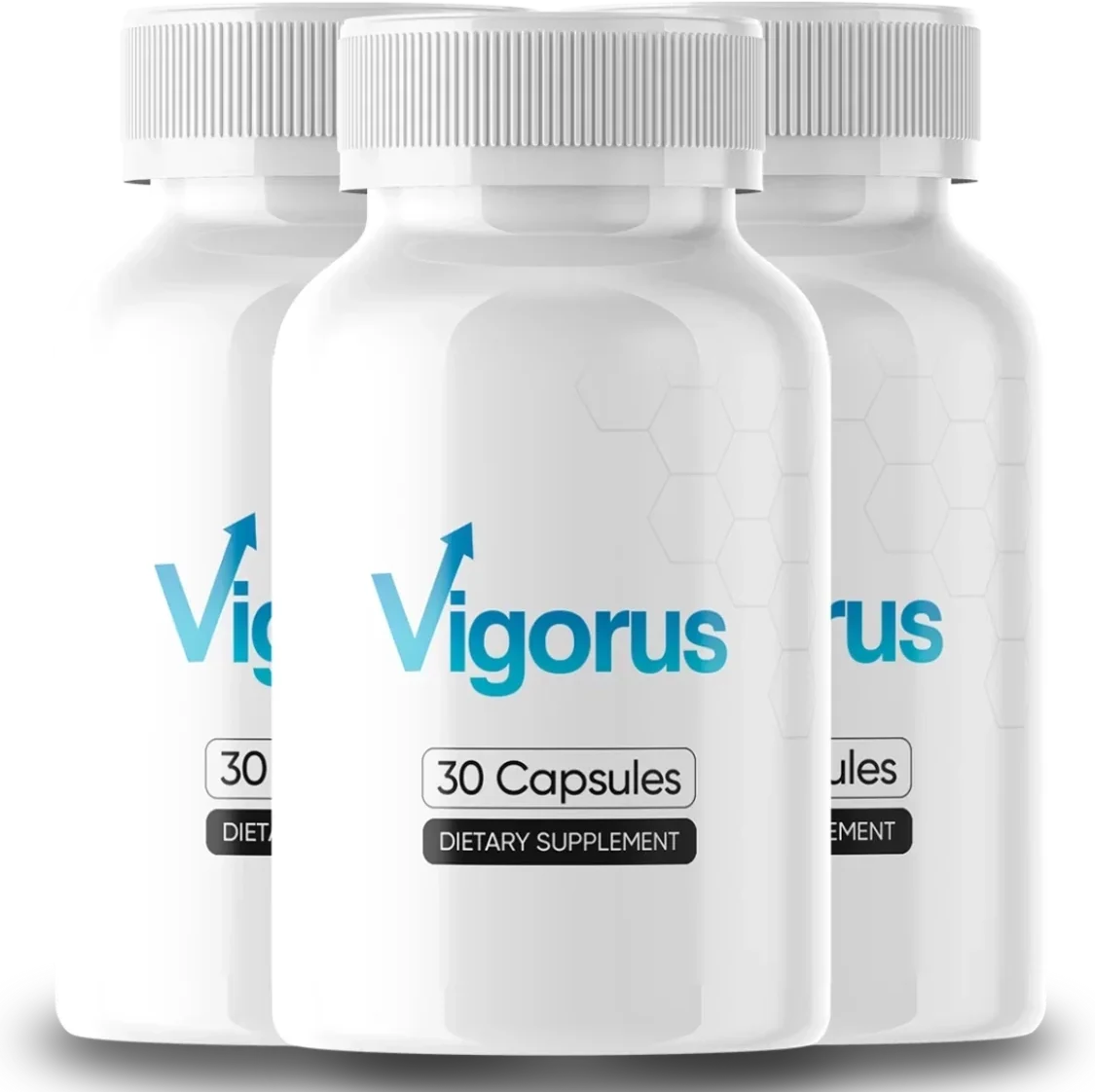
We are an independent review site, so let's be plain up front. We cover a daily men's supplement called Vigorus and we earn a commission if you buy it through our links. That is exactly why the honest version of this comparison matters: a supplement is the right first step for a lot of men, and completely the wrong step for some. Knowing which group you are in is worth more than any sales pitch.
Testosterone booster vs TRT: two different tools for two different problems
The cleanest way to hold the difference in your head is by mechanism. Testosterone replacement therapy does what its name says: it puts testosterone into your body from an external source — a gel you rub on, an injection every week or two, or a pellet placed under the skin. Your blood level rises because you added hormone, full stop. It is direct, it is powerful, and because it is a medicine it comes with a prescription, a diagnosis and ongoing lab work.
A testosterone booster does something more modest and more indirect. It supplies raw materials and signals — minerals like zinc, vitamin D, and botanicals studied for their role in drive, circulation and stress load — and asks your own endocrine system to do a little more with them. Nothing is being added to your bloodstream from outside; you are trying to remove the brakes on the machinery you already have. That distinction drives everything else in this comparison, including the two things you actually came here for: cost and results.
What TRT actually does — and what it costs in 2026
TRT is the more reliable option when testosterone is genuinely low. If a blood test comes back under roughly 300 ng/dL and you have the symptoms to match, replacement therapy will move the number in a way no capsule can promise, because it is not relying on your own production at all. For men in true clinical deficiency, that reliability is the whole case for it, and it is a conversation to have with a physician rather than a decision to make off a supplement label.
What surprises most men is the running cost. TRT is not a one-off. In 2026, once you total the prescribing visits, the medication itself, and the blood monitoring that responsible therapy requires, most men land somewhere between $1,800 and $4,800 a year — every year, indefinitely, for as long as they stay on it. Insurance sometimes offsets part of that when there is a documented diagnosis, but the out-of-pocket path is common, and the monitoring is not optional. There are also trade-offs worth understanding before you start: because you are supplying hormone from outside, your body can down-regulate its own production, which is a real consideration for younger men and anyone thinking about fertility. None of that makes TRT bad. It makes it a serious, ongoing medical commitment rather than a quick fix.
What a testosterone booster does — and where Vigorus fits
A booster plays a smaller, earlier role. It will not manufacture a result out of nothing, and it should never be sold as if it could. What a well-built daily formula can realistically do is close common gaps — correct a low zinc or vitamin D status, support healthy circulation and drive, and help you feel more like yourself — in men whose numbers are borderline rather than clinically deficient. For that population, which is larger than most people assume, it is a sensible, low-commitment place to begin.
Vigorus is a daily supplement of that earlier kind: a single capsule taken once a day, thirty to a bottle, built around zinc, vitamin B3 and a botanical blend. It is a first step, not a therapy. If you want to see precisely what is and isn't disclosed on the panel, our breakdown of what the Vigorus 570 mg proprietary blend can and can't hold is the honest companion to this page — it explains why label transparency matters as much as the ingredient list itself. And if you are not yet sure which camp you fall into, start by reading the everyday signs of low testosterone in men against your own week before you spend on either route.
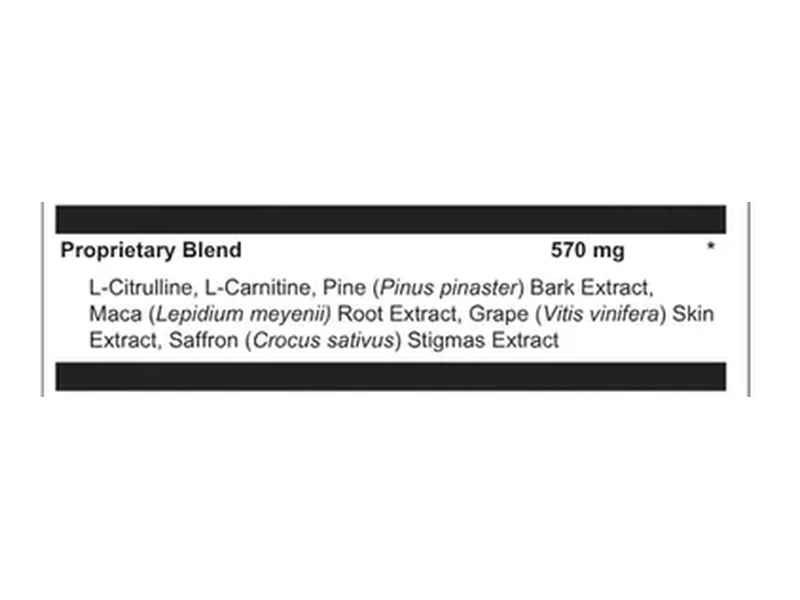
The 2026 cost comparison, laid out
Put the two side by side and the money question answers itself for most first-timers. A daily testosterone booster in 2026 runs roughly $240 to $960 a year depending on brand and how many bottles you buy at once — multi-bottle bundles are where the per-bottle price drops. Against that, TRT's $1,800 to $4,800 a year is between two and ten times more, before you count your time on clinic visits and blood draws.
| Testosterone booster | TRT | |
|---|---|---|
| What it does | Supports your own production | Adds hormone from outside |
| How you get it | Over the counter, daily capsule | Prescription: gel, injection or pellet |
| Typical 2026 cost/yr | $240–$960 | $1,800–$4,800 |
| Monitoring | Optional check-ins | Required blood work |
| Best fit | Borderline T, nutrient gaps | Clinically low (~<300 ng/dL) |
The reason this matters for sequencing is simple: the cheaper, reversible, no-prescription option is the logical thing to try first when your situation is ambiguous — which, for men who have not yet had bloodwork, it almost always is. You are not choosing forever. You are choosing the smaller step first.
Results: what each one realistically delivers
Cost is only half the decision; the other half is what you actually get for it, and here the two options diverge as sharply as they do on price. TRT delivers a large, reliable change in blood testosterone because it is adding the hormone directly — for a man in genuine deficiency, that can translate into meaningful shifts in energy, drive, mood, muscle and recovery, on a timescale of weeks. That is its strength, and it is why clinicians reach for it when a number is clearly low. The trade-off is that the change is external and ongoing: stop the therapy and the effect fades, and your own production may take time to recover because it was down-regulated while you supplied hormone from outside.
A booster delivers something smaller, slower and more variable. It is not adding hormone, so there is no dramatic overnight jump to expect, and honest sellers do not promise one. What a well-built formula can realistically offer a borderline or nutrient-short man is a modest, gradual lift — steadier daytime energy, better drive, a general sense of feeling more like yourself — that builds over two to three months and depends heavily on consistency and on whether you had a gap to correct in the first place. The upside is that the effect works with your own biology rather than overriding it, and there is no down-regulation to unwind if you stop.
So the results comparison is not "big versus small" so much as "big and external versus modest and internal." If your testosterone is genuinely low, the modest internal option may simply not be enough, and that is the honest case for therapy. If your number is borderline and your real problem is a fixable gap, the modest option is often all the situation actually calls for — and it is the one that leaves your own system doing the work. Match the size of the result you need to the size of the problem you have, and the choice stops feeling like a gamble.
Three objections worth answering honestly
"A booster is just an expensive multivitamin." Sometimes that criticism is fair — plenty of products on the shelf are underdosed sprinkles wrapped in bold packaging. The defence is not to wave it away but to read the label critically: look for named, meaningful amounts of ingredients with real evidence behind them, like zinc and vitamin D, and be skeptical of blends that hide their doses. A booster is only worth its price if the panel earns it, which is exactly the standard we hold Vigorus and everything else to.
"If TRT works better, why not skip straight to it?" Because "works better" is only true in the right population. For a man whose testosterone is genuinely low, yes, replacement is more reliable. For a man whose number is borderline and whose real problem is poor sleep, a stressful year and a zinc gap, TRT is a large, permanent intervention aimed at a small, reversible problem — and it can suppress his own production in the bargain. Matching the size of the tool to the size of the problem is the entire skill here.
"Boosters are unregulated, so none of them do anything." Supplements are regulated differently from drugs, not lawlessly, and the ingredient science is uneven rather than absent. Zinc's role in maintaining normal testosterone, for instance, has a formal regulatory footing in Europe. The honest position is neither "everything works" nor "nothing works" — it is that specific ingredients at specific doses have specific, modest support, and your job is to buy the ones that clear that bar. If you are weighing safety generally, our rundown of the most common testosterone booster side effects and how to avoid them is a level-headed place to calibrate.
Who should start with a booster, and who shouldn't
Start with a daily booster if you have not had recent bloodwork, if your symptoms are mild-to-moderate, if your energy and drive have drifted rather than collapsed, or if you already suspect a fixable gap like low zinc, low vitamin D, poor sleep or a punishing stretch of stress. In all of those cases a low-cost, no-prescription trial is the rational first move, and eight to twelve consistent weeks will tell you a lot.
Skip straight to a doctor if your symptoms are severe, sudden, or accompanied by things a supplement has no business addressing. And in every case, if you can get a testosterone blood test before you spend anything, do — a single number reframes this whole decision. Below roughly 300 ng/dL with symptoms, most clinicians lean toward replacement, and that is a discussion to have with them, not with a label.
For the large middle group — men who are tired, a little flat, past their mid-thirties and not in crisis — the sequence that makes sense is the same one your wallet would pick anyway: try the smaller, cheaper, reversible step first, give it a fair run, and escalate only if it doesn't move the needle. That is not a compromise. It is just the right order.
Try the lower-cost first step
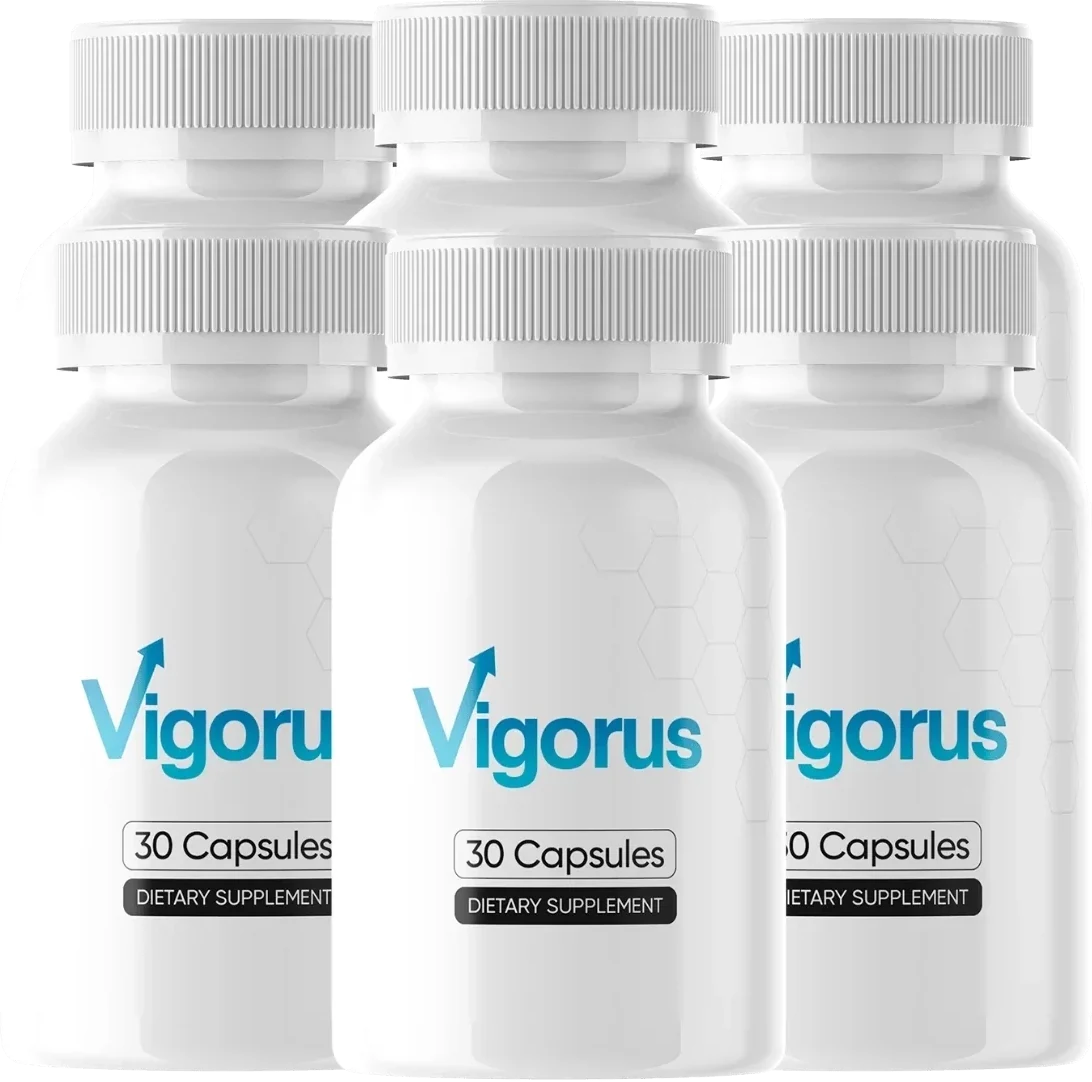
One capsule daily, 30 per bottle, with a 60-day money-back guarantee — the reversible, no-prescription place to begin before you consider therapy.
Order Vigorus From The Official StoreFrequently asked questions
What is the difference between a testosterone booster and TRT?
A testosterone booster is an over-the-counter supplement built from vitamins, minerals and botanicals that aim to support your body's own testosterone production. TRT, or testosterone replacement therapy, is a doctor-prescribed medicine — gel, injection or pellet — that adds testosterone from outside. One nudges your own system; the other replaces the hormone directly, which is why they suit different situations.
Is a testosterone booster cheaper than TRT?
Almost always, yes. In 2026 a daily testosterone booster typically runs about $240 to $960 a year depending on the brand and bundle, while TRT usually lands between $1,800 and $4,800 a year once you add the prescription, the medication and the required blood monitoring. A booster is the lower-cost first step; TRT is the larger, ongoing medical commitment.
When should I choose TRT over a supplement?
When your bloodwork shows clinically low testosterone — commonly cited as under roughly 300 ng/dL — alongside real symptoms, TRT is the more reliable route, and that is a decision to make with a doctor rather than a supplement label. Boosters are better matched to borderline readings or to plugging nutrient gaps like low zinc or vitamin D.
Can testosterone boosters replace TRT?
No. A supplement cannot replicate what replacement therapy does, and no honest booster should claim to. If a physician has prescribed TRT for genuinely low testosterone, a capsule is not a substitute. A daily supplement such as Vigorus is best understood as a daily-nutrition first step for men who are not yet in medical-deficiency territory, not a stand-in for prescribed treatment.