Signs of Low Testosterone in Men Over 40: How to Read Them Honestly
What are the signs of low testosterone in men?
The most consistent signs are a drop in sex drive, fewer spontaneous or morning erections, persistent fatigue, low or flat mood, brain fog, and a gradual loss of muscle with an easier gain of belly fat. No single symptom is proof, because stress and poor sleep mimic all of them, but several together over months is the pattern worth a blood test.
- Look for a cluster over time, not one bad week — the decline is slow and easy to normalise.
- Clinically low is generally total testosterone under about 300 ng/dL, confirmed by a morning blood test.
- Borderline symptoms often respond to lifestyle and a supplement; a true deficiency needs a doctor.
If you have started typing signs of low testosterone into a search bar somewhere past your fortieth birthday, you are already doing the sensible thing: noticing a pattern and checking it, rather than shrugging it off as just getting older. That instinct is worth trusting, because the symptoms of a gentle hormonal decline are easy to explain away one at a time. The tiredness is the job. The lower libido is the stress. The extra weight is the desk. Each excuse is plausible on its own — and that is exactly how a slow, real change hides in plain sight for years.
This article does two things. It lays out the genuine signs of low testosterone clearly and honestly, without the scare tactics, so you can tell whether the pattern fits you. And it draws the line that actually matters: the difference between borderline levels, which respond to lifestyle and sometimes a supplement, and clinical deficiency, which is a medical matter for a doctor and a blood test. Knowing which side of that line you are on is the whole point.
Why testosterone slips after 40 in the first place
Testosterone is not meant to hold steady for life. For most men it peaks in the late teens and twenties, plateaus, and then begins a slow decline from around age 30 — on average roughly 1 to 2 percent per year. Do the arithmetic and a man at 45 may be carrying appreciably less than he did at 25, entirely as a function of normal ageing. This is a natural, gradual process, distinct from a medical deficiency, and it is why the symptoms tend to surface in the forties and fifties: enough time has passed for the cumulative drop to be felt.
The slowness is the trap. A 1-to-2-percent yearly slide is imperceptible month to month, so men adapt without noticing. You do not wake up one morning transformed; you simply become a slightly lower-energy, slightly lower-drive version of yourself each year, and you recalibrate what normal feels like as you go. That is why the useful signal is never a single symptom on a single day. It is a cluster of changes, sustained over months, that together break the pattern you used to run at. Lifestyle can steepen or soften that curve, which is the encouraging part — and the subject of our guide to the natural habits that support healthy testosterone.
The signs of low testosterone, and how to read them honestly
Here is the symptom picture that appears most consistently in men with genuinely low levels. Read it as a checklist to spot a pattern, not as a diagnosis — every one of these has other common causes, which is the point.
Lower sex drive. The most closely linked symptom. A clear, sustained drop in interest — not an off week, but a lasting change in how often desire shows up — is one of the more specific signs, because testosterone is central to male libido.
Fewer spontaneous erections. A decline in morning or spontaneous erections is a subtle but meaningful marker, because those are partly hormone-driven and less influenced by circumstance than performance during sex, which stress and circulation also affect.
Persistent fatigue. Not ordinary tiredness, but a flatness that a good night's sleep does not fully fix — the sense that your usual energy floor has dropped.
Low or flat mood. Testosterone influences mood and drive. Some men with low levels describe irritability or low mood; others describe a loss of the competitive edge and motivation they used to take for granted.
Brain fog and poor concentration. Difficulty focusing, a slower mental gear, or a memory that feels less sharp than it was are frequently reported, though they overlap heavily with poor sleep and stress.
Loss of muscle, gain of fat. Testosterone helps maintain muscle mass. A gradual loss of strength or size despite the same effort in the gym, paired with easier weight gain around the middle, is a classic combination.
The honest reading of that list is the important part. Any one of these can be caused by poor sleep, chronic stress, depression, thyroid problems, medication, or simply a bad stretch of life — and cortisol from chronic stress can suppress testosterone directly, which we unpack in the piece on the stress, sleep and training levers behind healthy testosterone. So the question is never does one of these apply. It is do several of these apply, together, and have they persisted for months? That cluster, sustained over time, is the pattern that earns a proper look.
It also helps to notice how these signs reinforce one another, because that feedback is part of what makes the decline feel steeper than the raw numbers suggest. Poor sleep lowers testosterone and raises cortisol; lower testosterone erodes motivation, which makes training and cooking harder; skipped workouts and worse eating add body fat; and body fat, through the enzyme aromatase, converts some testosterone into oestrogen, nudging levels down again. That is a loop, not a straight line, and a man can find himself several rungs down it before any single symptom feels alarming enough to act on. Recognising the loop is useful precisely because it means intervention at any point — sleep, training, weight — tends to help the others too, rather than fixing one symptom in isolation.
Borderline, not deficient? Daily support may fit
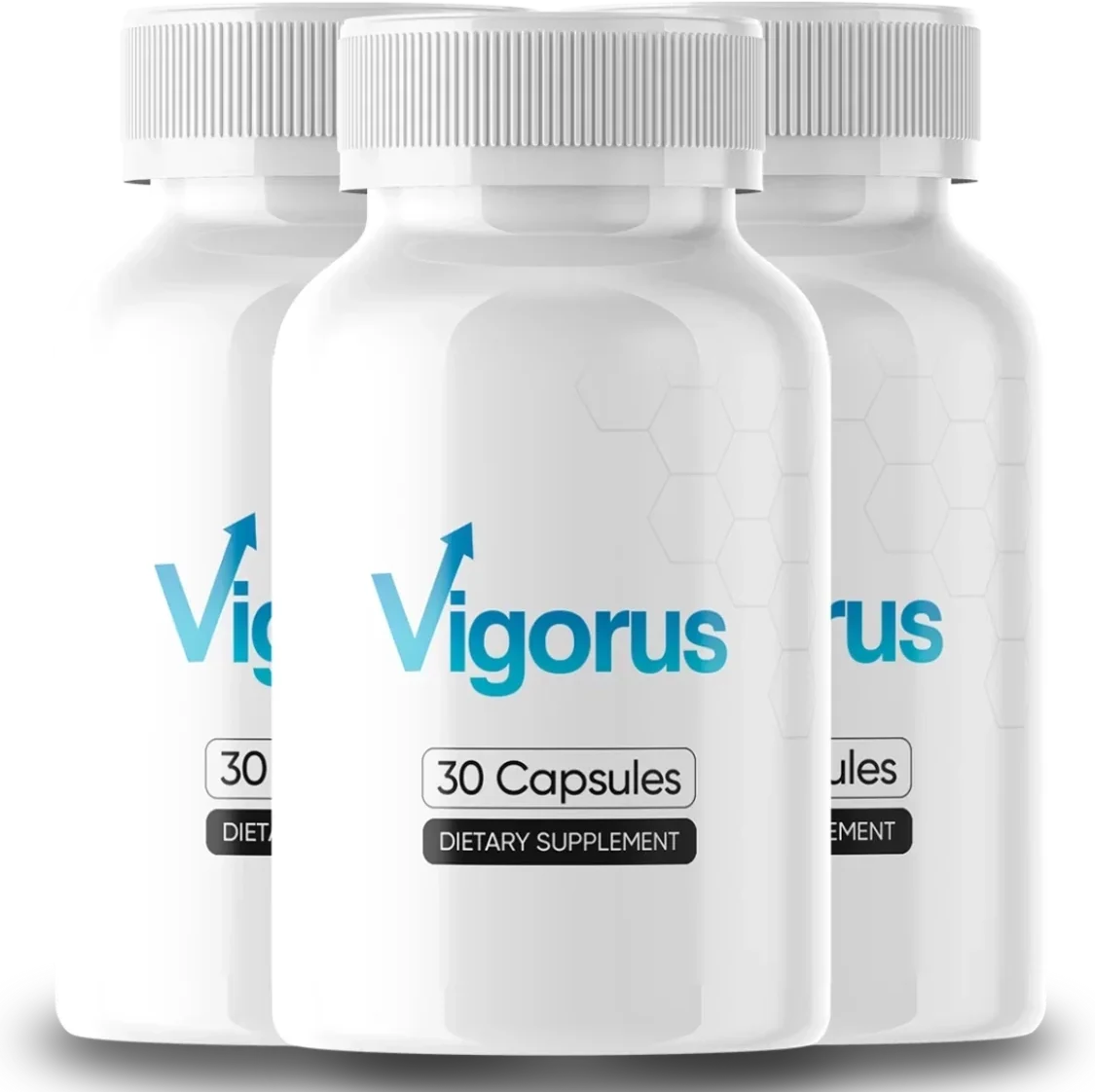
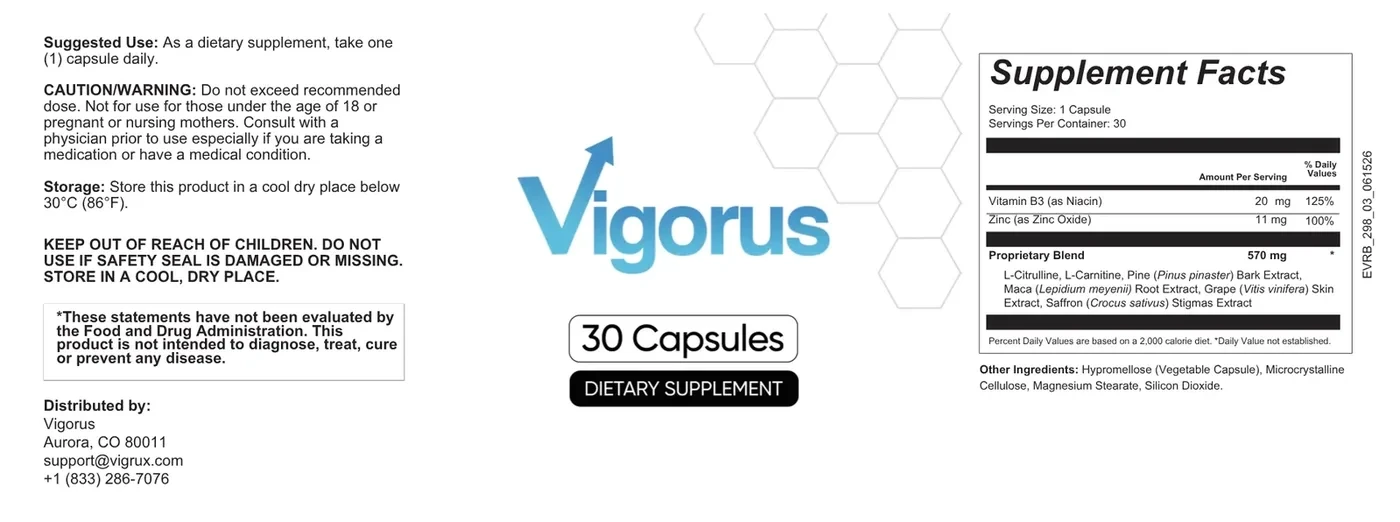
Vigorus supplies a full daily value of zinc — recognised for the maintenance of normal testosterone — plus circulation support, in one capsule a day. 30 to a bottle, 60-day money-back guarantee.
See Today's Vigorus PricingWhat actually counts as clinically low
This is where feelings have to meet a number. Clinically, total testosterone below roughly 300 nanograms per decilitre (ng/dL) is generally regarded as low, although the exact cut-off and the reference range vary between laboratories. Two details matter more than the threshold itself. First, testosterone follows a daily rhythm and is highest in the morning, so a valid test is a morning blood draw — an afternoon reading can look falsely low. Second, a single result is rarely enough; because levels fluctuate, a diagnosis usually rests on a repeated morning test.
Crucially, the number and the symptoms have to agree. A man with a level of 280 ng/dL and no symptoms at all is a different situation from a man at 310 ng/dL who ticks every box on the list above. Doctors diagnose low testosterone on the combination — a low measured level plus a matching symptom picture — not on a lab value in isolation. This is precisely why self-diagnosis from a symptom checklist can only ever be step one. The checklist tells you whether to get tested; the test tells you what is actually going on.
Borderline versus deficient: the fork that decides everything
Almost every practical decision in this space flows from one distinction, so it is worth stating plainly. There are two broad situations, and they call for two different responses.
Clinically deficient. If a blood test confirms genuinely low testosterone alongside real symptoms, this is a medical matter. The appropriate route is a doctor, and often testosterone replacement therapy — actual hormone, prescribed and monitored, with periodic blood work. A supplement is not the answer here and should not be treated as one; expecting a botanical capsule to fix a clinical deficiency is setting yourself up to be let down. If this is you, our comparison of a testosterone booster versus TRT explains why the medical route exists and what it involves.
Borderline, or symptomatic within normal range. This is the larger group, and the more interesting one. Many men over 40 sit on the low side of normal — not deficient by the lab's threshold, but noticing the cluster of symptoms above. For them, the highest-leverage moves are lifestyle first: better sleep, resistance training, fat loss, less alcohol, managing stress. On top of that foundation, a well-formulated men's supplement supplying the right nutrients may help them feel better and support their own production at the margin. This is the group for whom a booster is genuinely designed — and for whom our guide to the best natural testosterone booster supplements and how to choose one is the practical next read.
What to do next, in order
If the pattern in this article fits you, here is a sensible sequence. Start by being honest about the cluster: which symptoms, how many, and for how long. If several have persisted for months, book a morning blood test rather than guessing — it is the single most useful thing you can do, and it resolves the borderline-versus-deficient question that everything else hangs on. Fix the free levers in parallel: sleep, strength training, alcohol, stress, and body fat move testosterone more than most men expect, and they cost nothing. And if you land in the borderline group, that is the point at which a disclosed, sensibly dosed men's supplement becomes a reasonable addition — support for the margins, not a rescue for a deficiency.
One more piece of honesty about expectations, because it saves a lot of disappointment. Nothing in this sequence works in a weekend. Testosterone responds to sustained change — weeks of better sleep, months of consistent training, a real reduction in body fat — so give any single intervention a full eight to twelve weeks before you judge whether it helped. Track how you actually feel across that window rather than fixating on a single reading: energy through the afternoon, drive, gym performance, and mood are the day-to-day signals that a slow correction is working. If, after doing the free things properly and adding a sensible supplement, the cluster has not budged, that is itself useful information — it points you back toward the doctor and a closer look at what else might be driving the symptoms, rather than toward another tub of capsules.
Where a supplement like Vigorus fits
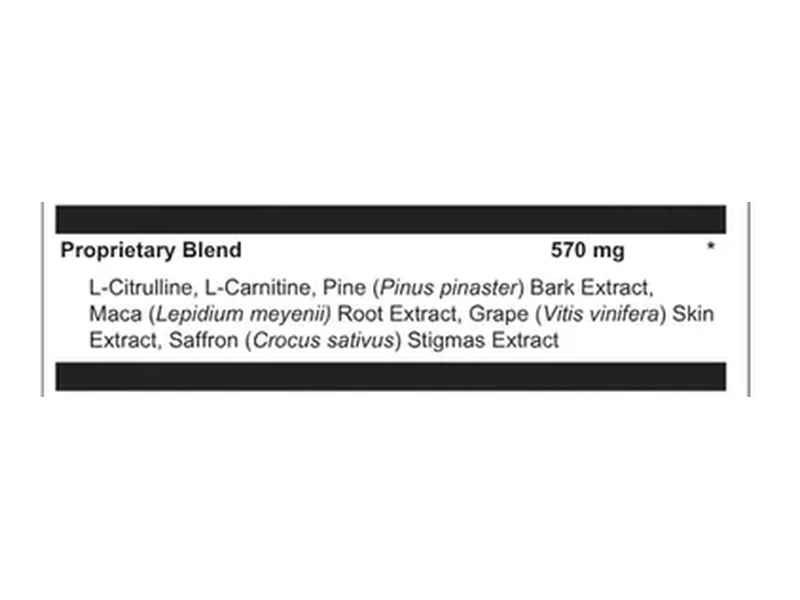
To be straight with you, as an independent review site: no supplement, Vigorus included, treats clinically low testosterone, and nothing here is a substitute for a blood test and a doctor if your symptoms are significant. What a formula like Vigorus is built for is the borderline man — the one whose numbers are on the low side of normal and who wants to support the system rather than override it. Its panel supplies a full daily value of zinc, the mineral European food-safety authorities recognise for the maintenance of normal testosterone in the blood, alongside L-citrulline for circulation, which is the downstream half of what many men in this group actually notice. If you want to see how that panel is put together and where its disclosure ends, we took it apart in the breakdown of what is inside the Vigorus 570 mg proprietary blend. Read that, weigh it against the honest picture on this page, and you will be deciding with your eyes open — which is the only way we would want you to decide.
The bottom line
The signs of low testosterone in men over 40 are real, but they are also quiet, gradual, and easy to confuse with ordinary life — which is why the pattern, not any single symptom, is what to watch. A cluster of low libido, fewer spontaneous erections, fatigue, low mood, brain fog and lost muscle, sustained over months, is your cue to get a morning blood test rather than to self-diagnose. That test sorts you into borderline or deficient, and that fork decides everything: lifestyle and a sensible supplement for the former, a doctor and medical treatment for the latter. Notice the pattern, get the number, and act on what it actually says.
Support for the borderline years
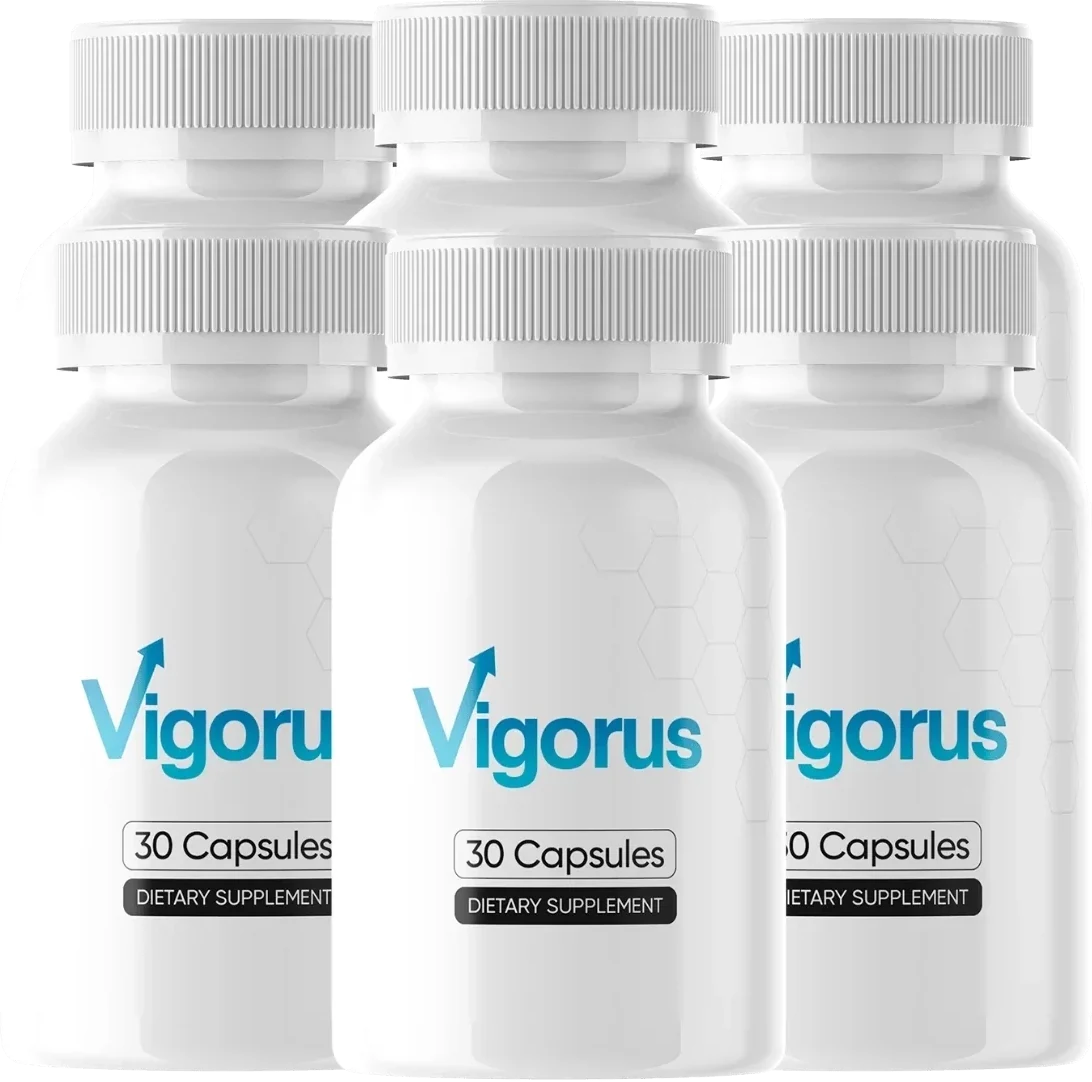
A full daily value of zinc plus circulation support, once a day. Check current bundle pricing and the 60-day money-back guarantee at the official Vigorus store.
Order Vigorus From the Official StoreRelated reading
How to Increase Testosterone Naturally
The free levers — sleep, strength training, fat loss and stress — that move the hormone first.
Testosterone Booster vs TRT
Which route fits the borderline man and which fits a confirmed deficiency.
Best Testosterone Supplements for Men
What to look for on a label, and which ingredients have real evidence behind them.
Natural Testosterone Booster Supplements
Separating evidence from marketing for men on the low side of normal.
Frequently asked questions
What are the signs of low testosterone in men?
The most consistent signs are a drop in sex drive, fewer spontaneous or morning erections, persistent fatigue, low or flat mood, brain fog and trouble concentrating, and a gradual loss of muscle with an easier gain of belly fat. No single symptom is proof, because sleep, stress, diet and other conditions cause the same feelings, but several appearing together over months is the pattern worth investigating with a blood test.
At what age does testosterone start to drop?
For most men, testosterone begins a slow decline from around age 30, falling on average about 1 to 2 percent per year. That is gradual enough that the effects usually become noticeable in the forties and fifties rather than overnight. Because the slide is slow, many men adjust to it without realising, which is exactly why the symptom pattern, not a single bad week, is what to watch for.
What testosterone level is considered low?
Clinically, total testosterone below roughly 300 nanograms per decilitre is generally regarded as low, though the exact threshold and reference range vary by lab and by the time of day the blood is drawn. Diagnosis is not made on a single number in isolation: it combines a morning blood test, ideally repeated, with your actual symptoms. Numbers and symptoms have to agree before low testosterone is confirmed.
Can a supplement help with low testosterone symptoms?
For borderline cases, where levels are on the low side of normal and symptoms are mild, a well-formulated men's supplement providing nutrients like zinc and circulation support may help you feel better and support your own production at the margin. For clinically diagnosed deficiency, a supplement is not a substitute for medical treatment, and testosterone replacement therapy prescribed and monitored by a doctor is the appropriate route. A blood test is what tells you which situation you are in.