Fenugreek and Testosterone: What the Studies Actually Show
Does fenugreek increase testosterone?
The fenugreek testosterone evidence leans positive, mainly for free testosterone and libido rather than a huge jump in total. Controlled trials using around 600 mg of standardised extract daily reported better free testosterone, libido and vitality versus placebo, and a 2020 meta-analysis found a significant effect on total testosterone. The likely mechanism: fenugreek compounds appear to limit the enzymes that convert testosterone into estrogen and DHT, leaving more available.
- Studied dose: roughly 500–600 mg/day of standardised extract for 6–12 weeks.
- Strongest, most consistent result: improved libido and sexual satisfaction.
- Best understood as a supporting botanical, often stacked with ingredients like tongkat ali — not a standalone cure.
Fenugreek has an image problem, and it is entirely undeserved. To most people it is a curry spice or the reason a bakery smells faintly of maple syrup. To supplement researchers, Trigonella foenum-graecum is one of the more interesting botanicals in men's health — a common kitchen seed that has quietly accumulated a genuinely respectable stack of human trials on testosterone, libido and vitality. That gap between its humble reputation and its actual evidence base is exactly why it is worth a careful look.
So here is the honest, study-by-study version of the fenugreek testosterone question: does it work, how does it work, how much should you take, and where does it fit if you are shopping for a men's formula rather than a single-ingredient jar. No hype, no cherry-picking — just what the research supports and where it stops.
The fenugreek testosterone evidence, study by study
Unlike a lot of "testosterone booster" ingredients that rest on a single small study or on rodent data, fenugreek has been tested repeatedly in men. The pattern that emerges is consistent, and it is specific: fenugreek tends to support free testosterone and sexual function more than it dramatically raises total testosterone.
The most-cited example is a randomised, double-blind, placebo-controlled trial in which healthy men took 600 mg of a standardised fenugreek extract daily for six weeks. Compared with placebo, the supplemented group reported significant improvements in libido, sexual arousal and overall satisfaction, and showed higher free testosterone. Other controlled studies — several run in resistance-trained men — found similar directional support for free testosterone and body composition when fenugreek was paired with training.
Then there is the higher-level view. A 2020 systematic review and meta-analysis pooled the available randomised controlled trials and concluded that fenugreek supplementation has a statistically significant positive effect on total testosterone. Meta-analyses are not infallible — they are only as good as the trials inside them, and here the trials vary in dose, extract and population — but a pooled significant result is a meaningfully stronger signal than any lone study. For a botanical, that is about as good as the evidence gets.
How fenugreek is thought to work
The mechanism is the part that makes fenugreek genuinely clever, and it explains why "free testosterone up, total testosterone roughly steady" keeps showing up in the data.
Fenugreek is rich in compounds called furostanolic saponins (the branded extracts standardise to them). These appear to gently inhibit two enzymes that normally drain your usable testosterone. The first is aromatase, which converts testosterone into estrogen. The second is 5-alpha-reductase, which converts testosterone into DHT. Slow those conversions modestly and less of your existing testosterone gets siphoned off — so the free, biologically active fraction rises even if your total production has not changed much. In plain terms, fenugreek looks less like a factory that makes more testosterone and more like a valve that stops you losing what you already make.
That framing also sets honest expectations. If your issue is genuinely low production, a valve does less than a factory. If your total is reasonable but you feel flat, freeing up more of what you have can be exactly the useful nudge.
The benefits worth stating plainly
Libido and sexual well-being. This is fenugreek's headline act and its most reproducible finding. Across trials, the desire-and-satisfaction improvements are consistent enough that libido, not a lab number, is where most men actually notice fenugreek working.
Free testosterone. Through the enzyme-inhibition mechanism above, fenugreek supports the usable fraction of your testosterone. This is a supporting effect, sensible and modest, not a transformation.
Vitality, mood and energy. Several studies used broad vitality or quality-of-life questionnaires and reported improvements — the everyday "feel more like myself" outcomes that matter more to most men than a decimal on a blood test.
Body composition with training. In some trials with resistance-trained men, fenugreek paired with lifting supported strength and body-composition changes. Read this as a possible bonus in the context of training, not a standalone fat-loss or muscle claim.
Looking for a ready-made men's formula?
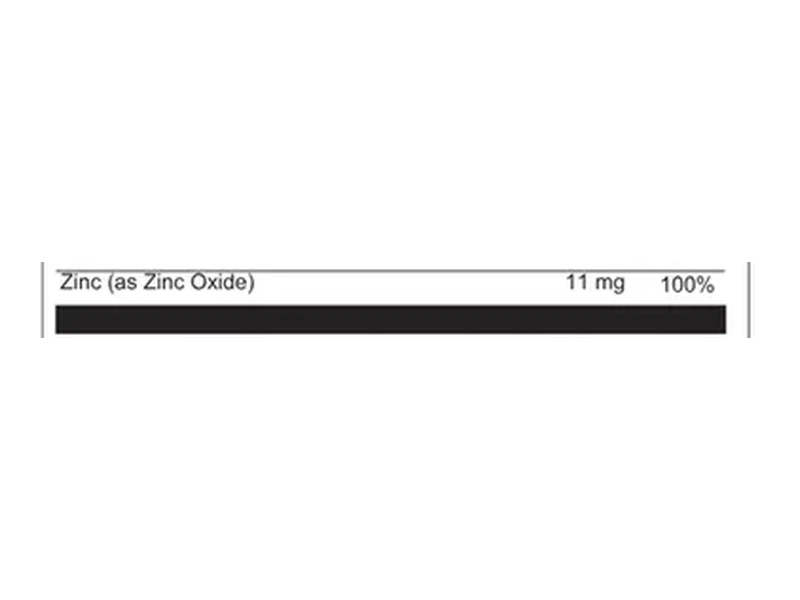
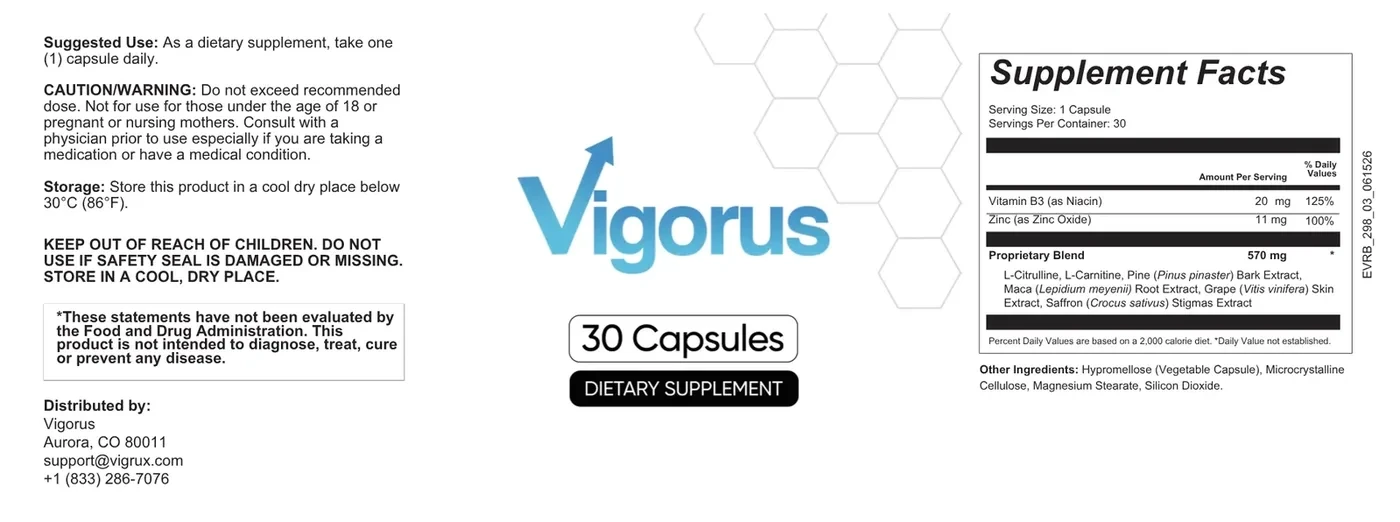
If fenugreek's research sold you on plant-based support, Vigorus is a once-daily formula in the same category. To be transparent, it does not contain fenugreek — its blend lists L-citrulline and L-carnitine first, then pine bark, maca root, grape skin and saffron extracts — but it adds a full daily value of zinc, the mineral tied to normal testosterone. We would rather you know exactly what is on the label.
See Vigorus at the Official StoreHow much fenugreek to take
The studied window is refreshingly narrow. Most of the positive trials used a standardised fenugreek extract at about 500 to 600 mg per day, taken consistently for six to twelve weeks. That is the number to anchor on.
Two practical points. First, standardisation beats raw weight. Because the activity is attributed to the furostanolic saponins, a concentrated extract standardised to those compounds at 600 mg can easily outperform a much larger scoop of plain ground fenugreek seed. A big milligram figure on the front of a jar tells you little on its own. Second, give it time. Fenugreek is a slow build like most botanicals in this space; judging it after a few days is pointless. Take it with food, hold the studied dose for at least six weeks, and then decide.
Three myths to retire
Myth 1: "Fenugreek massively spikes testosterone." No honest reading supports that. The consistent signal is on free testosterone and libido, with total testosterone effects that are real but modest. Anyone selling fenugreek as a testosterone rocket is overstating the data.
Myth 2: "Cooking spice equals supplement dose." Sprinkling fenugreek on food is not the same as a standardised 600 mg extract taken daily for weeks. Culinary amounts are far below the studied intake, so the kitchen shaker is not going to reproduce the trial results.
Myth 3: "It works alone, or not at all." Fenugreek is frequently and sensibly stacked with other men's-health botanicals — it is a common partner to ingredients like tongkat ali for supporting testosterone and libido — because the two work through different mechanisms. Judging any single botanical as a miracle-or-nothing proposition misunderstands how these formulas are designed.
Safety and who should be cautious
At typical supplement doses fenugreek is generally well tolerated. The signature "side effect" is completely harmless: a maple-syrup smell to sweat or urine, thanks to an aroma compound called sotolon. Beyond that, some people experience mild digestive upset.
A few groups should be genuinely careful, though. Fenugreek can lower blood sugar, so if you take diabetes medication the combined effect needs a doctor's eye. It may also have mild blood-thinning activity, so it warrants caution alongside anticoagulants and before surgery. Because it is a legume, anyone with a chickpea, peanut or legume allergy should treat it with suspicion, and pregnant women should avoid supplemental doses. As always here: a supplement is not a treatment, none of this is medical advice, and if you take medication or manage a health condition, ask your clinician first.
Where fenugreek fits — and where a blend fits
If you want to test fenugreek in isolation, a standardised extract at 500–600 mg per day for six to twelve weeks is a clean, evidence-aligned experiment. Track your libido and energy, not just a lab number, since that is where fenugreek shows up most.
But plenty of men would rather not assemble a shelf of single jars. That is the appeal of a blended daily formula that covers several bases in one capsule — a botanical component plus the micronutrients most directly linked to testosterone. Vigorus is built for that preference. In the interest of the honesty this whole site runs on: Vigorus does not contain fenugreek. Its blend leads with L-citrulline, its botanicals are pine bark, maca, grape skin and saffron, and it pairs those with a full daily value of zinc — the one ingredient here with formal regulatory standing, since European authorities recognise zinc's contribution to maintaining normal blood testosterone. If you want the unvarnished detail, we broke down exactly what the Vigorus 570 mg proprietary blend can and cannot contain so you can weigh a blend against a standalone fenugreek product with your eyes open.
One capsule a day, honestly labelled
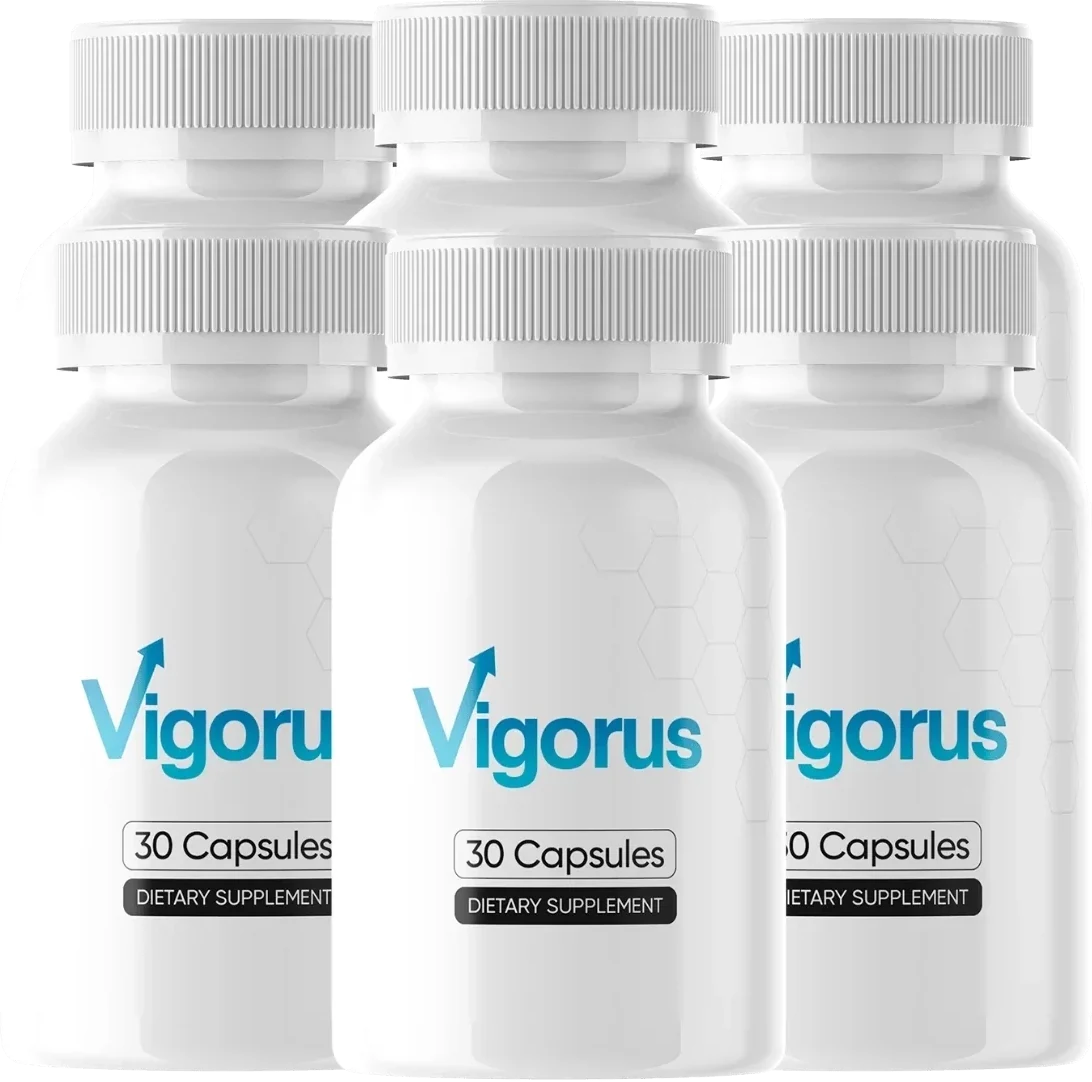
30 capsules per bottle, today's official-store pricing, and a 60-day money-back guarantee. The multi-bottle bundles carry the lowest cost per bottle.
Order Vigorus From the Official StoreFrequently asked questions
Does fenugreek increase testosterone?
The evidence leans yes, mostly for free testosterone rather than a large jump in total. Several controlled trials using around 500 to 600 mg of standardised fenugreek extract daily reported improvements in free testosterone, sexual function and vitality versus placebo, and a 2020 meta-analysis concluded fenugreek has a significant positive effect on total testosterone. The likely reason is that fenugreek compounds appear to limit the enzymes that convert testosterone into estrogen and DHT, leaving more free testosterone available.
How much fenugreek should I take daily?
Most of the positive studies used a standardised fenugreek extract at roughly 500 to 600 mg per day, taken consistently for six to twelve weeks. As with most botanicals, the standardisation matters more than raw milligrams, so a concentrated extract at 600 mg can outperform a much larger dose of plain seed powder. Take it with food, give it at least six weeks, and treat the studied 600 mg extract range as your benchmark rather than a bigger-is-better mindset.
Does fenugreek help with libido?
This is fenugreek's most consistent finding. In a frequently cited six-week trial, men taking 600 mg of fenugreek extract daily reported significant improvements in libido, sexual arousal and satisfaction compared with placebo, alongside better free testosterone. For many men the desire and vitality changes are more noticeable day to day than any number on a lab report, which is why libido is where fenugreek's reputation is strongest.
Are there side effects of fenugreek supplements?
Fenugreek is generally well tolerated at typical doses. The most common and harmless effect is a maple-syrup-like smell to sweat or urine. Some people get mild digestive upset, and because fenugreek can lower blood sugar and may interact with blood thinners and diabetes medication, anyone on those drugs, anyone pregnant, or anyone with a chickpea or legume allergy should check with a doctor first. It is a supplement, not a treatment, and nothing here is medical advice.
Related reading
References
- Mansoori et al. (2020) — Effect of fenugreek extract supplement on testosterone levels: a meta-analysis of randomised controlled trials
- Steels et al. — Physiological aspects of male libido enhanced by a standardised fenugreek extract
- NIH Office of Dietary Supplements — Zinc, Health Professional Fact Sheet
- EFSA — Scientific Opinion on the substantiation of health claims related to zinc
- FDA — Dietary Supplements: What You Need to Know